
01
Energy planning
Size the pack against the real duty cycle instead of a brochure range.

VoltCrave Power develops application-specific battery systems for passenger EVs, SUVs and crossovers, hybrid vehicles, commercial EVs, and two- and three-wheelers — planned around energy requirements, power delivery, thermal management, packaging, charging behaviour, and vehicle integration requirements.
Battery architecture is matched to the vehicle package, the energy requirement, and the charging behaviour before production starts.
Size the pack against the real duty cycle instead of a brochure range.
Tune the charge window for home, depot, or public fast charging.
Keep performance steady under repeated load and higher ambient temperatures.
Carry a validated engineering base across vehicle classes instead of restarting the design.
Keep modules, wiring, and diagnostics reachable for maintenance teams.
Each application is developed around its own vehicle platform, energy requirement, power delivery, packaging, and charging behaviour.
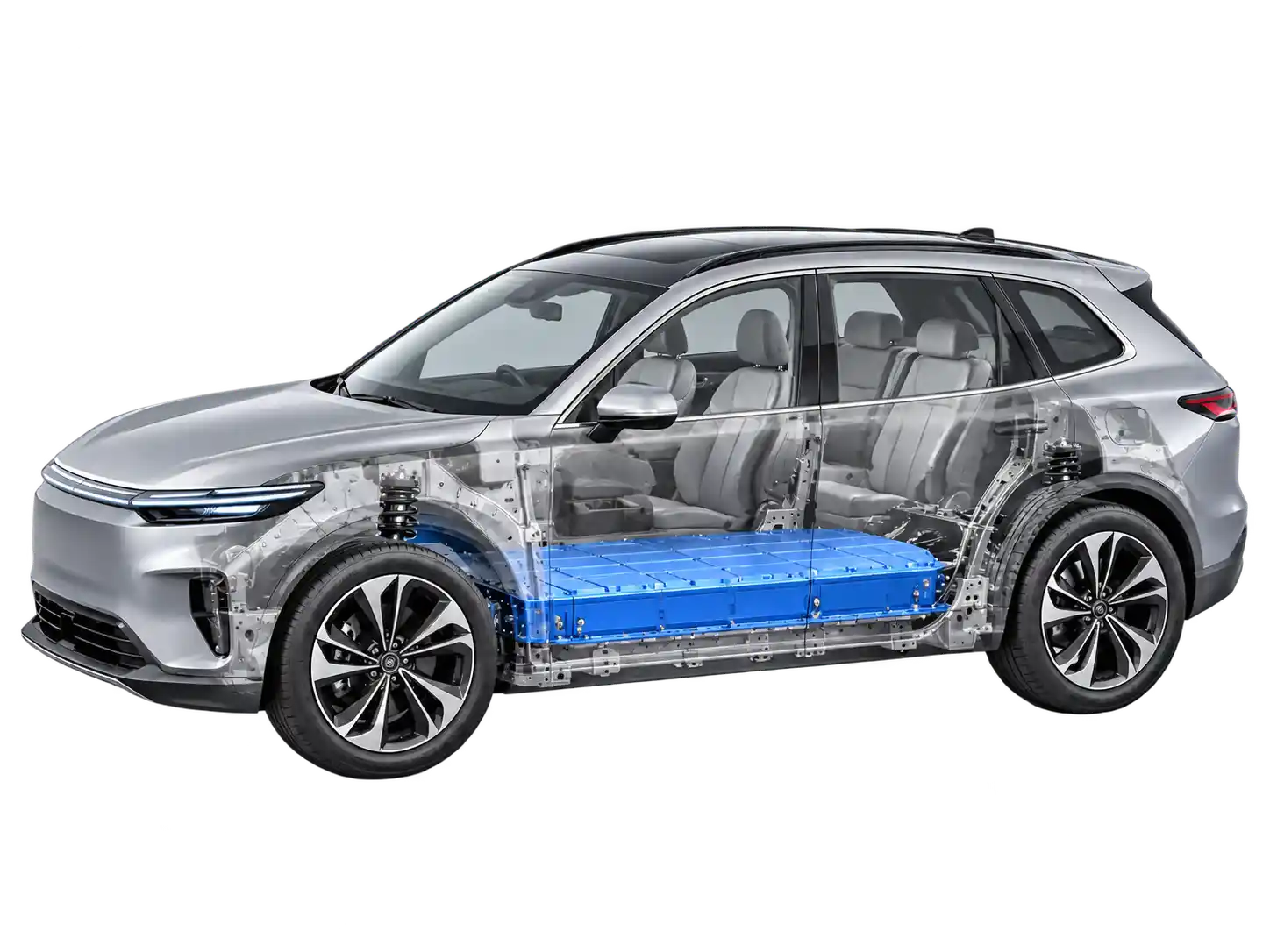
Passenger EV battery packs start from the energy the vehicle actually needs: everyday and highway range, the charge window the driver can live with, and the pack volume the platform can give up.
Cell chemistry, module layout, and cooling are selected together, so range, mass, and the underfloor package stay in balance instead of being solved one at a time.
Range target, charge window, and pack envelope are agreed before cell format and cooling are locked, so the pack follows the vehicle package.
Larger passenger vehicles ask for more energy at the same time as more cabin space, more mass, and a higher continuous load on the pack.
The pack is sized around vehicle mass and range target, then laid out for an underfloor envelope with the cooling path and enclosure structure planned from the first layout.
Energy, mass, and thermal headroom are traded off explicitly rather than optimised separately.
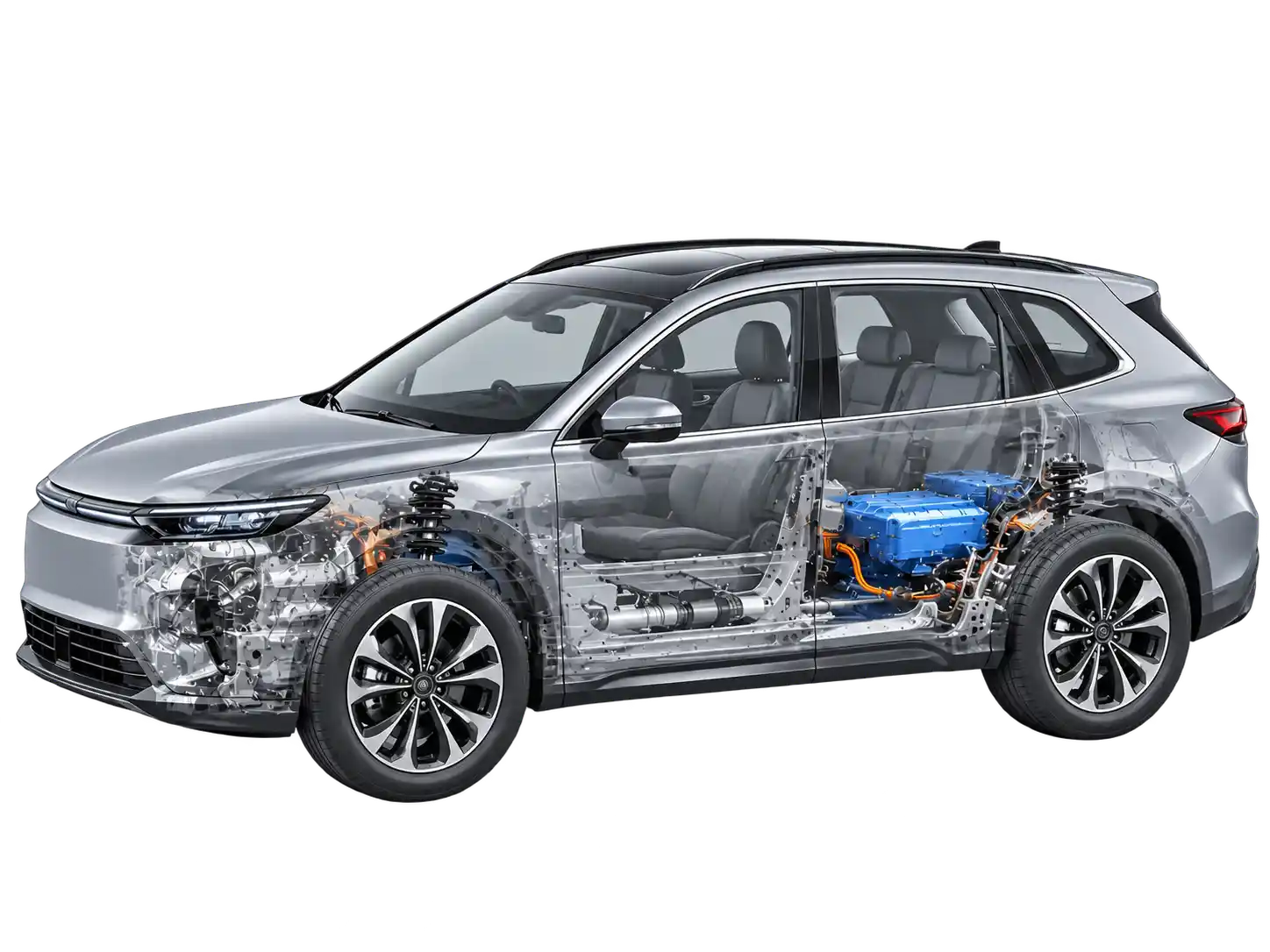
Hybrid programs need a pack that is small, light, and quick to respond. Electric assist has to feel natural without adding unnecessary mass or taking space the platform does not have.
Because the pack cycles far more often than a full battery-electric pack, charge and discharge behaviour, packaging constraints, and the control strategy are agreed with the drivetrain team from the start.
The pack is kept small and responsive so electric support is useful without forcing the rest of the platform to change shape.
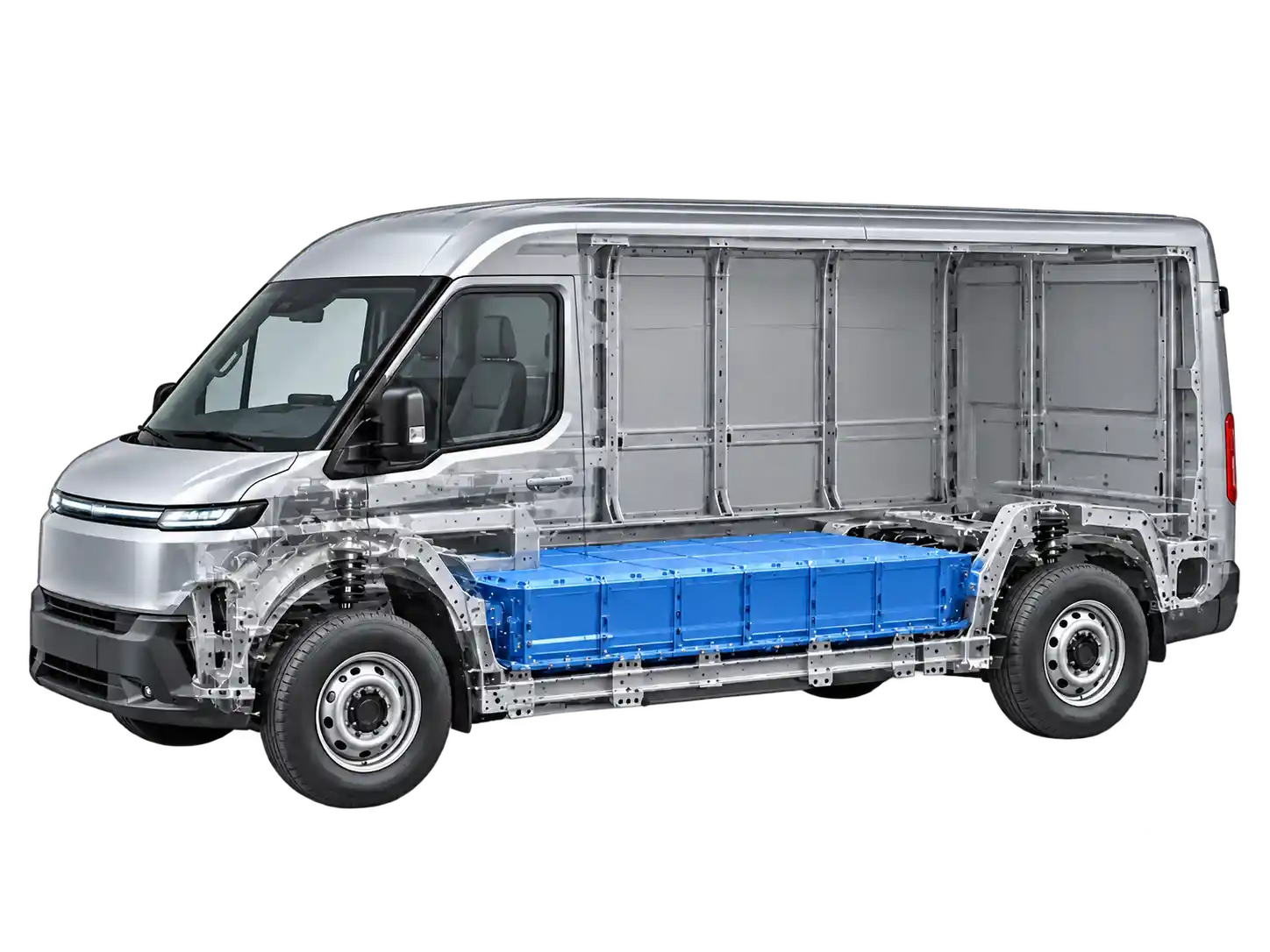
Commercial packs are sized from the work the vehicle does: route length, payload, operating hours, and where the vehicle can charge during the day.
Fleet operation also shapes the design. Service access, maintenance planning, and how the pack behaves across a long working life matter as much as installed energy.
Installed energy follows the real operating profile rather than a fixed capacity taken from a similar vehicle.
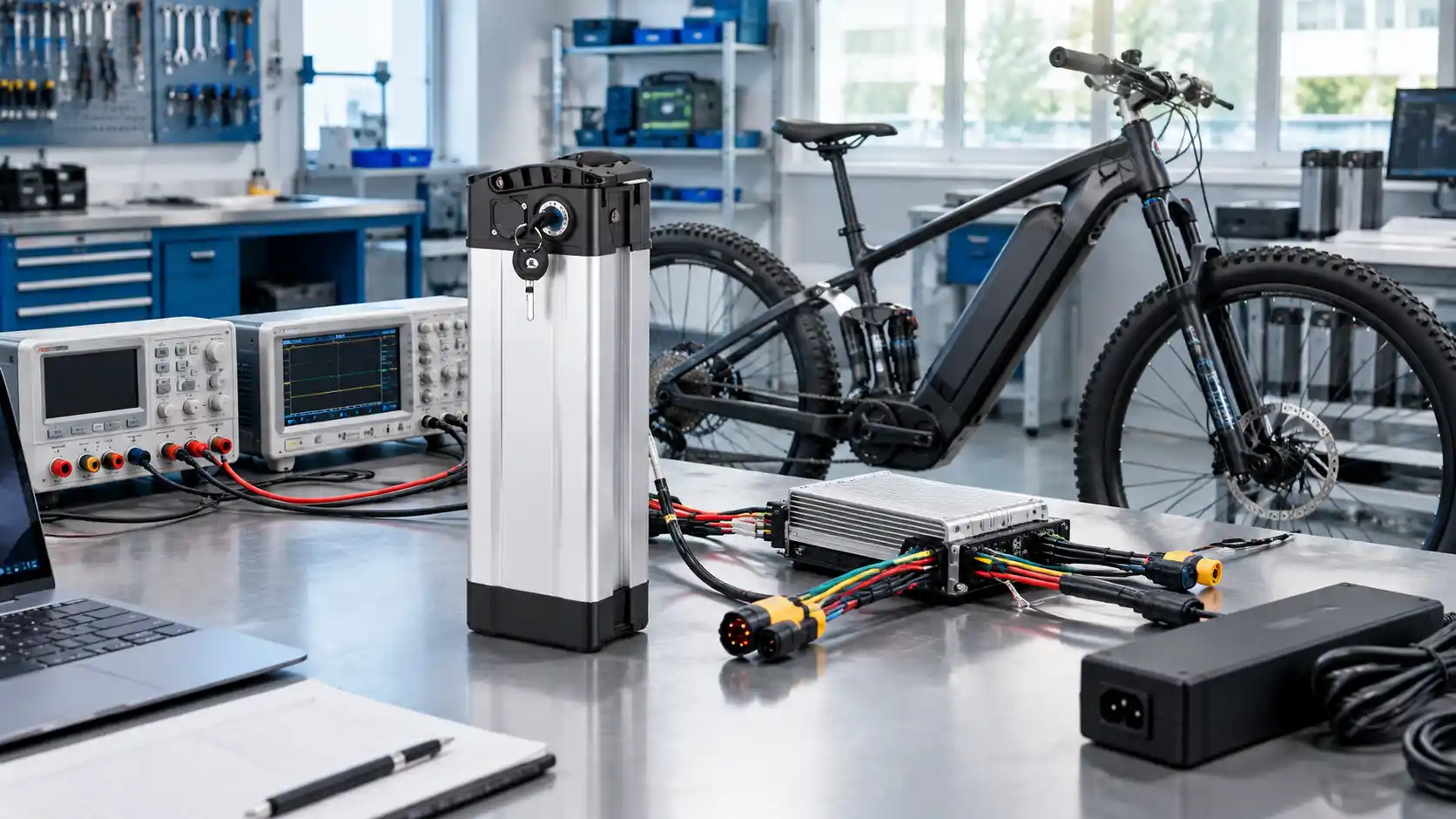
On electric motorcycles, scooters, and three-wheelers, the pack is limited by the vehicle long before it is limited by cell technology. Dimensions, weight, and mounting decide the design.
Current delivery is matched to the controller, and the BMS, connector, and charging interface are specified with the vehicle wiring in mind, so the pack arrives ready for OEM or ODM assembly.
Dimensions, weight, current delivery, and the connector interface decide the pack more than headline energy does.
Cell chemistry, voltage architecture, pack design, thermal management, and controls are decided together for each vehicle program.
LFP and NMC are both available. The choice follows the program's energy, cost, cycle, and safety priorities rather than a default.
Pack voltage is arranged around the vehicle architecture, including 400V and 800V systems where the platform calls for it.
Cell configuration, module or pack architecture, enclosure, cooling, BMS, connector, and service access are developed as one assembly.
Thermal behaviour depends on chemistry, power profile, operating environment, and vehicle architecture, so the cooling path is designed per project.
BMS functions cover cell monitoring, protection limits, balancing, and communication with the vehicle controller.
A structured path from requirement definition to production, with the level of engineering support agreed per project.
Vehicle type, duty cycle, energy target, package limits, and charging expectations are reviewed together.
Cell format and chemistry are selected against energy, power, cycle life, and cost requirements.
Series and parallel configuration, voltage class, and module or pack structure are defined.
Enclosure, cooling, busbars, BMS, connector, and service access are developed as one assembly.
A functional prototype is built for bench testing and vehicle-level evaluation.
Performance, thermal, safety, and durability checks are carried out against the agreed specification.
Validated designs move into production with the inspection plan agreed during development.
Programs can begin from a vehicle battery requirement, an existing battery envelope, or a technical specification.
Choose the format around vehicle class, energy target, and duty cycle.
Balanced for sedans and everyday passenger EVs where range, drive comfort, and packaging all matter.
Built for larger passenger vehicles that need stable highway range, thermal headroom, and practical underfloor integration.
A compact battery path for hybrid platforms that need electric support without packaging strain.
Sized from route, payload, and operating hours, with service access planned for fleet maintenance.
Compact packs for electric motorcycles, scooters, and three-wheelers, configured around the frame and controller.
The answers point to the next engineering decision without overpromising.
Share the vehicle class, energy target, and charging requirement. VoltCrave Power will match the battery format and development path to your program.