
Quality control built into every VoltCrave Power battery system.
Every cell, every module, and every shipment follows a defined quality path.
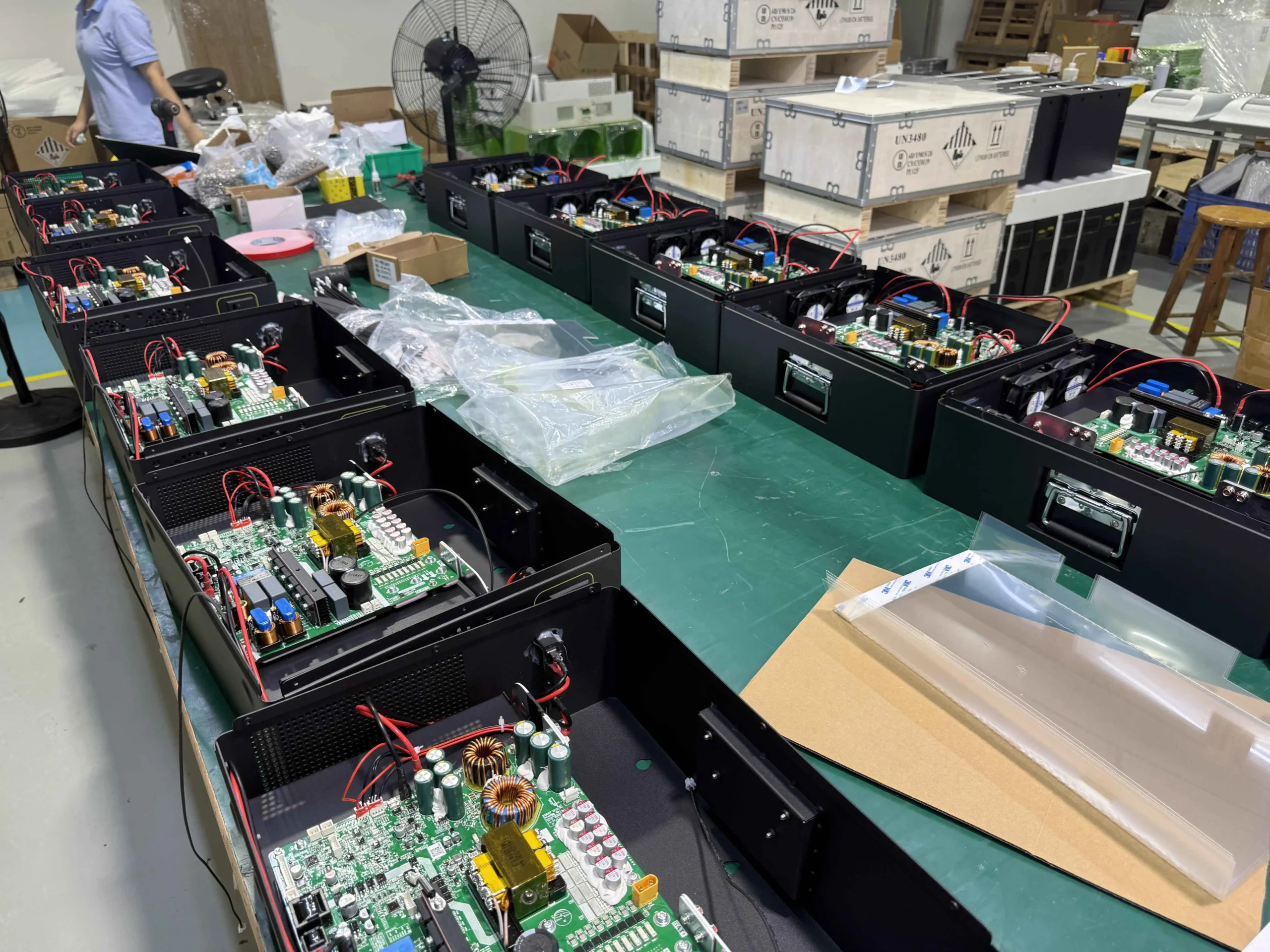
From incoming cell grading to functional checks, burn-in, and environmental screening, VoltCrave Power organizes quality activities around three practical gates for portable power, home energy storage, and commercial and industrial ESS programs.
Burn-In Testing
Finished systems can be tested under a defined load profile
MES Traceability
Cell and component lots can be linked to pack serial records
In-House Test Lab
Performance, thermal abuse & environmental test
Standards-Oriented QC
Reference plans are matched to product and market requirements
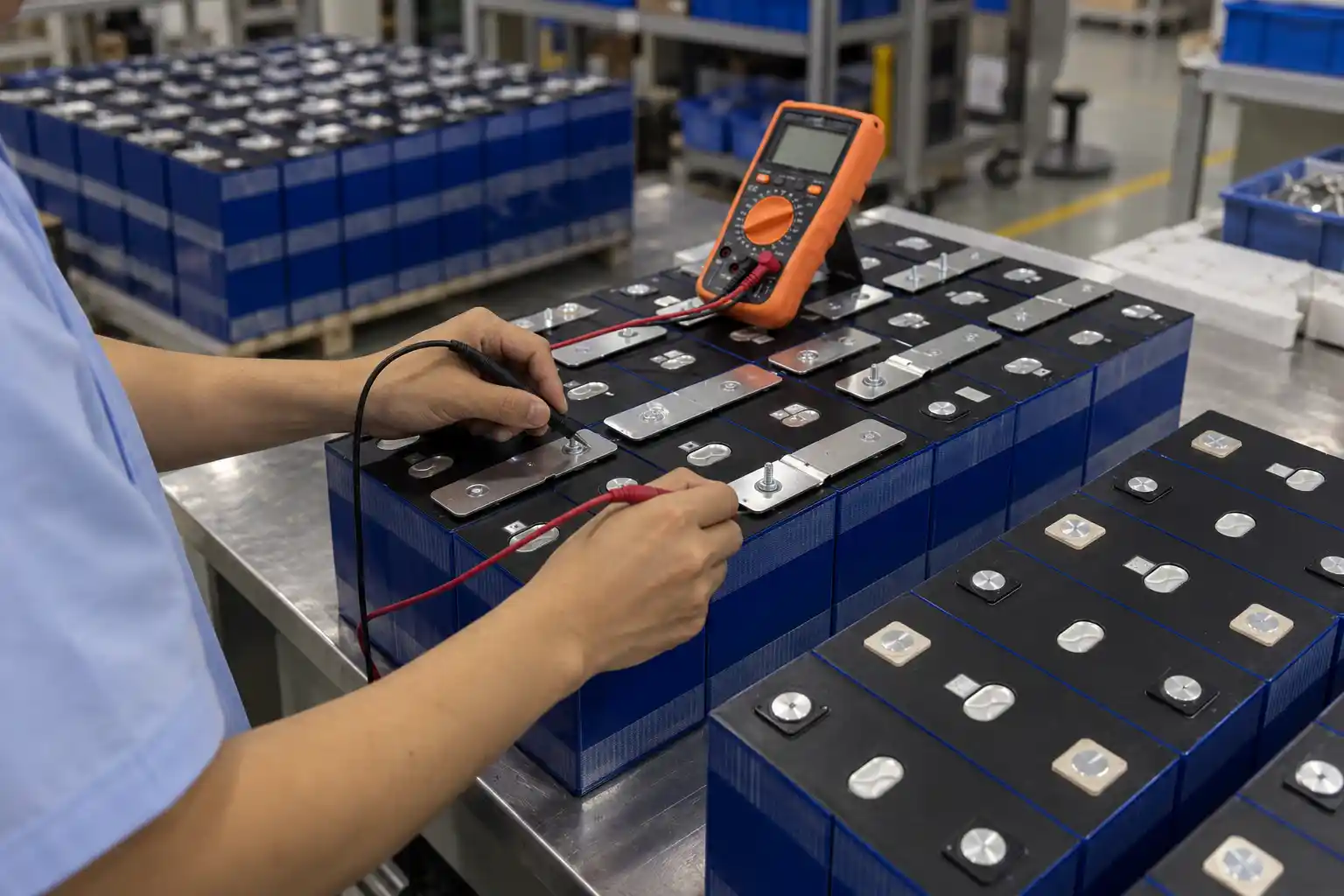
Quality is built in, not inspected in
Battery reliability depends on cell matching, process control, and clear release criteria. Rather than relying on a single end-of-line check, quality activities are distributed across three gates: screening incoming materials, monitoring assembly variables, and validating completed systems before dispatch.
Incoming Quality Control
Cell OCV/IR sorting, BMS PCB functional checks, inverter qualification, and enclosure dimensional validation.
In-Process Quality Control
Laser weld inspection, calibrated torque control, firmware verification, and dielectric isolation tests.
Outgoing Quality Control
Final capacity discharge review, cosmetic inspection, transport documentation checks, and test log sign-off.
Production discipline by the numbers
Gate System
IQC · IPQC · OQCData Linking
Per pack recordCell Grading
Capacity and IR matchingBurn-In Cycles
Defined dynamic loadHipot Verification
Isolation test criteriaMatching Targets
Set by product specificationThe Complete QC Checkpoint Journey
Units only advance to the next station when the preceding quality gate issues an automated sign-off.
Incoming Material & Component Verification
Cells, BMS boards, inverters, structural frames, and wiring harnesses are verified against rigorous engineering specs. CoC, MSDS, and third-party test reports are audited; out-of-spec lots are immediately quarantined.
Cell Matching & High-Precision Grading
Cells undergo multi-point sorting based on discharge capacity, internal resistance, and discharge voltage curves. Matching windows are set against the approved product specification and balancing strategy.
Laser Welding & Structural Assembly Audit
Busbar welds can be reviewed for penetration, porosity, and cold joints. Structural fasteners, glue dispensing, and harness routing are checked against the process control plan.
BMS Programming & Safety Protection Verification
BMS units are flashed with designated firmware and subjected to hardware-in-the-loop simulation. OVP, UVP, OCP, SCP, and multi-channel thermal cut-offs are verified prior to pack closure.
Dielectric Insulation & Hipot Safety Testing
High-voltage dielectric withstand and insulation resistance testing are used to review isolation between live parts and the chassis against the approved safety criteria.
Extended Full-Load Aging & Burn-In Testing
Finished battery systems can run an agreed continuous charge/discharge burn-in routine. Voltage, current, and temperature telemetry are recorded to support early-life failure screening.
Pre-Shipment Audit & Packaging Compliance
Quality engineers perform final functional tests, cosmetic checks, and serial identification scans. Packaging and transport documents are reviewed against the shipping route and applicable dangerous-goods requirements.
Tailored testing for distinct operating environments
Core cell and BMS checks are shared across programs, while each product family receives a test plan shaped by its operating environment, interfaces, enclosure, and deployment requirements.
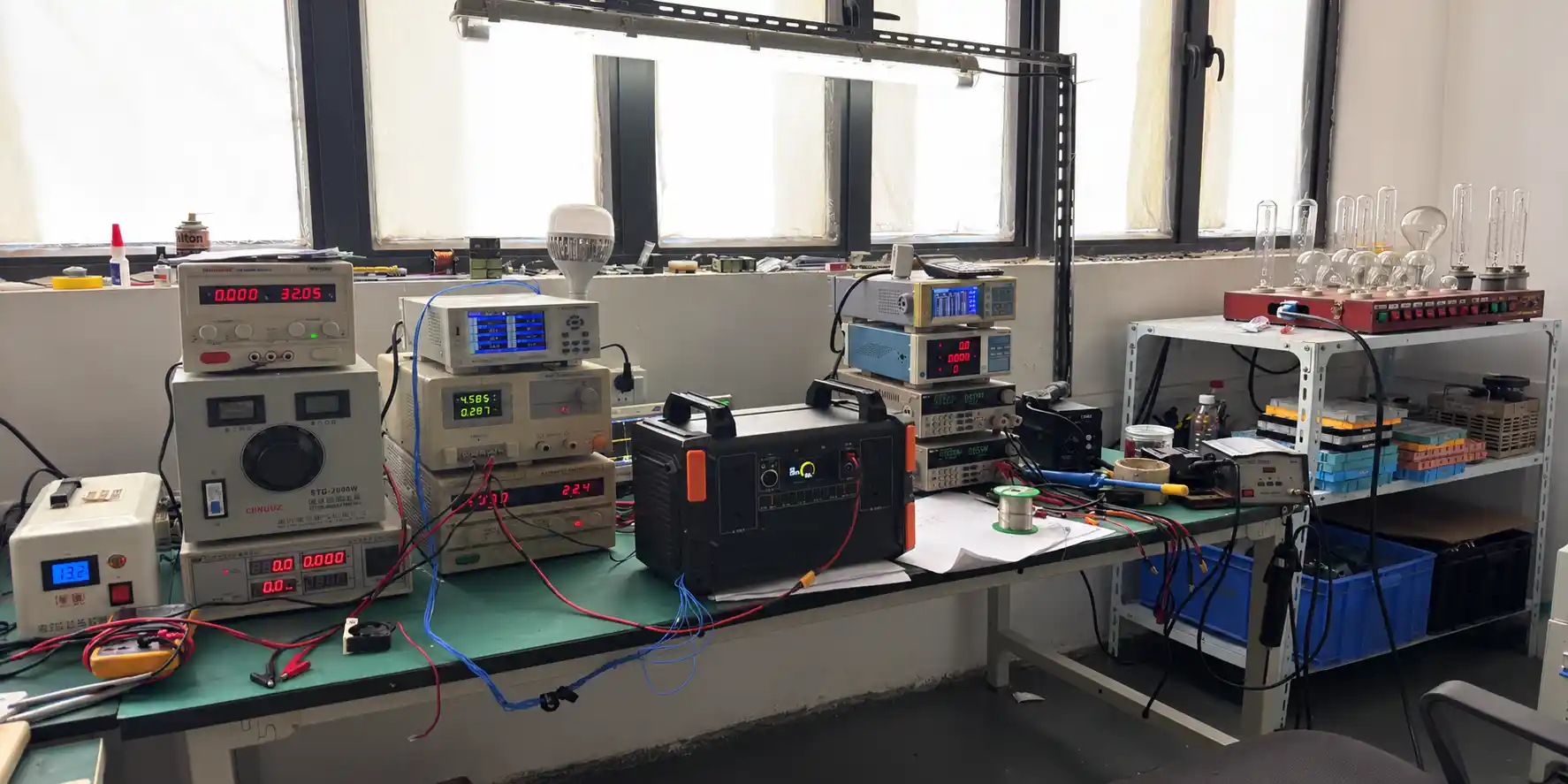
Portable Power Station Quality Suite
Portable systems are evaluated around usable capacity, AC and DC output behavior, simultaneous port loading, charging interfaces, enclosure integrity, and transport handling.
Rated Capacity Verification
Discharge testing confirms usable watt-hours against the product specification and agreed test conditions.
Wh Output ReviewAC Waveform & Load Stability
Inverter waveform and output stability are checked at representative load points using calibrated power analysis equipment.
Load-Profile VerificationSimultaneous Port Loading
AC, USB-C, USB-A, and DC interfaces are evaluated together where the product design supports concurrent operation.
Interface CompatibilityDrop & Transport Handling
When required by the project, mechanical checks cover enclosure integrity, internal connections, and packaging response during handling.
Defined Mechanical Profile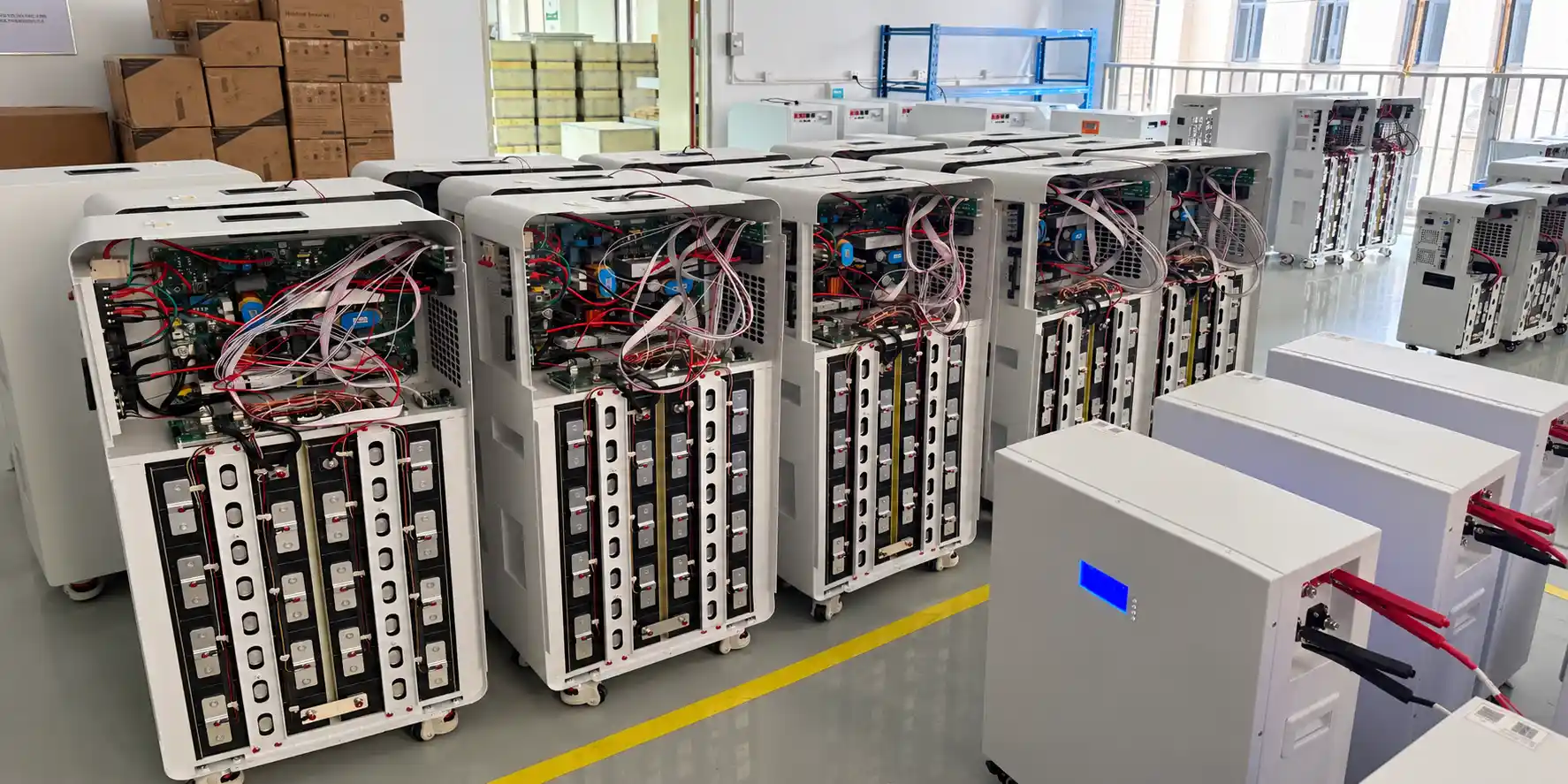
Home Energy Storage System Quality Suite
Residential ESS validation focuses on high-voltage isolation, inverter communication, module coordination, thermal behavior, and the cycle profile defined for the target application.
Hipot & Dielectric Withstand
High-voltage stress testing is performed across module terminals and the enclosure according to the approved safety criteria.
Dielectric Test CriteriaInverter Communication Match
BMS CAN or RS485 communication is checked against the selected inverter platform and project communication profile.
CAN / RS485 ProtocolMulti-Module Coordination
Address assignment, synchronization, and current sharing are reviewed when multiple battery modules operate in parallel.
Parallel System CheckThermal Dissipation Profiling
Infrared imaging and temperature logging help identify hot spots during the agreed charge and discharge profile.
Thermal Map Review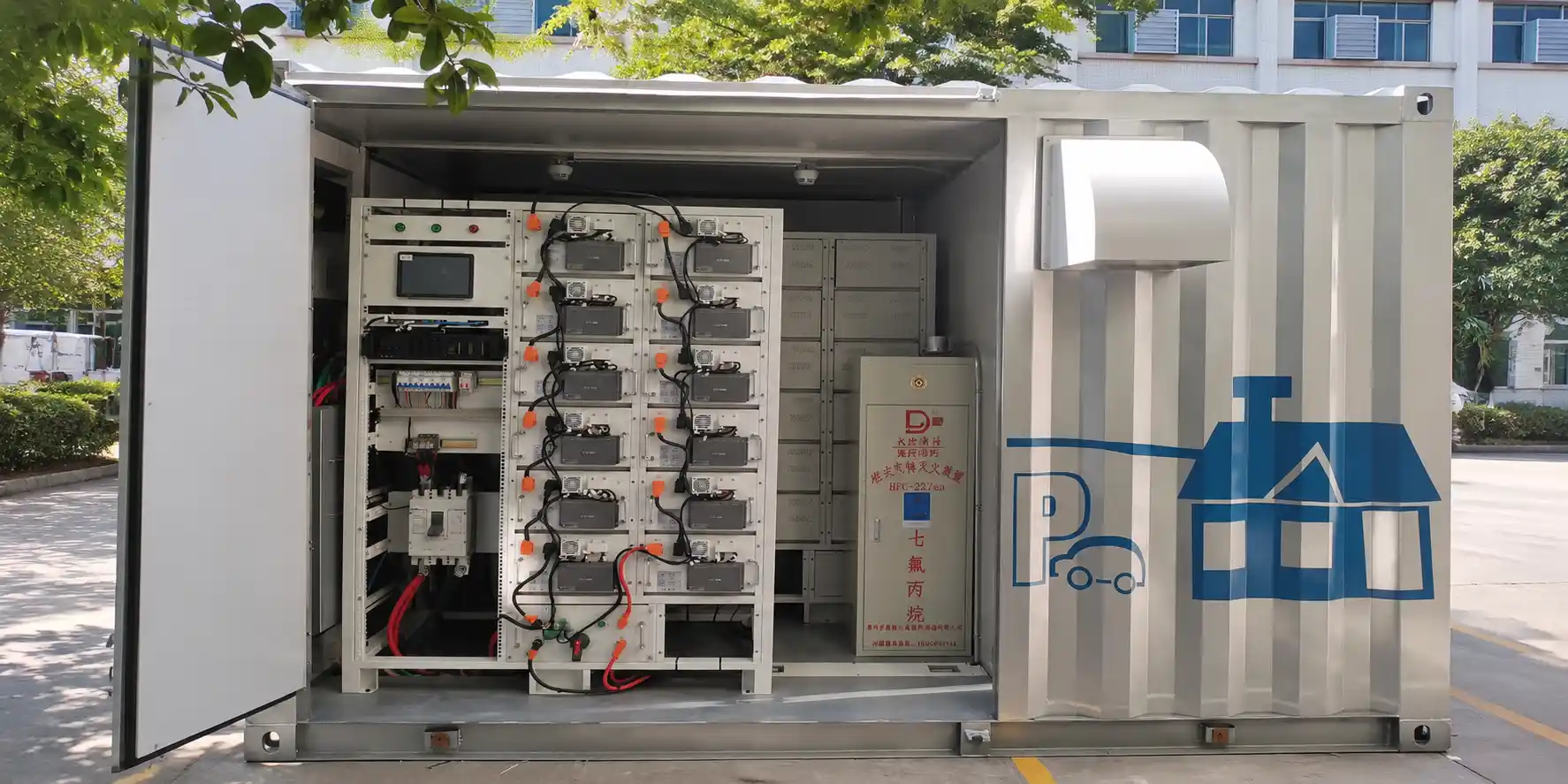
Commercial & Industrial ESS Quality Suite
Commercial and industrial ESS programs are sized around the load profile, tariff structure, PV capacity, backup priorities, available space, and grid requirements. The quality plan follows the selected architecture rather than assuming one fixed system configuration.
Project Sizing & Load Profile Review
Test inputs are aligned with the intended application, including peak demand, tariff periods, PV generation, backup needs, and site operating conditions.
Application-Based CriteriaPCS, EMS & BMS Communication
Control and monitoring paths are reviewed across the battery management system, power conversion system, and energy management system using the project interface map.
RS485 / CAN / EthernetHigh-Voltage Architecture Review
Depending on the design, high-voltage battery racks, high-voltage boxes, and PCS interfaces are checked against the approved electrical configuration.
Example: 614.4-1228.8 VThermal, Fire & Enclosure Verification
Thermal management, fire-protection interfaces, ventilation, and enclosure details are reviewed for the selected indoor, outdoor, or containerized deployment.
IP54 Options by DesignIn-House Quality & Reliability Laboratory
Selected in-house equipment supports life-cycle simulations, electrical safety checks, system integration reviews, and environmental stress testing against the agreed project plan.
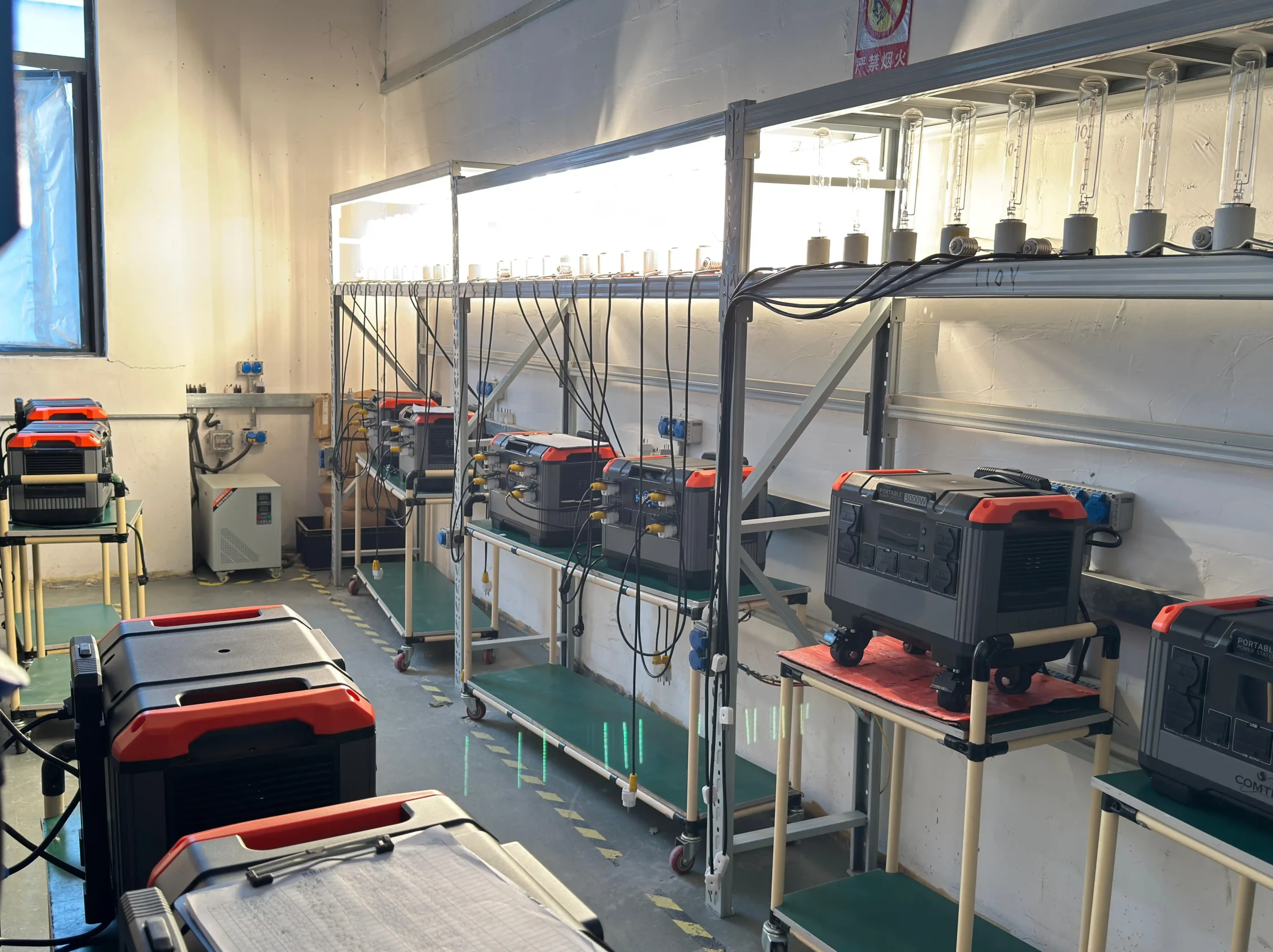
Battery Cycler Systems
Multi-channel charge and discharge equipment supports capacity checks, performance mapping, and agreed cycle-test profiles.
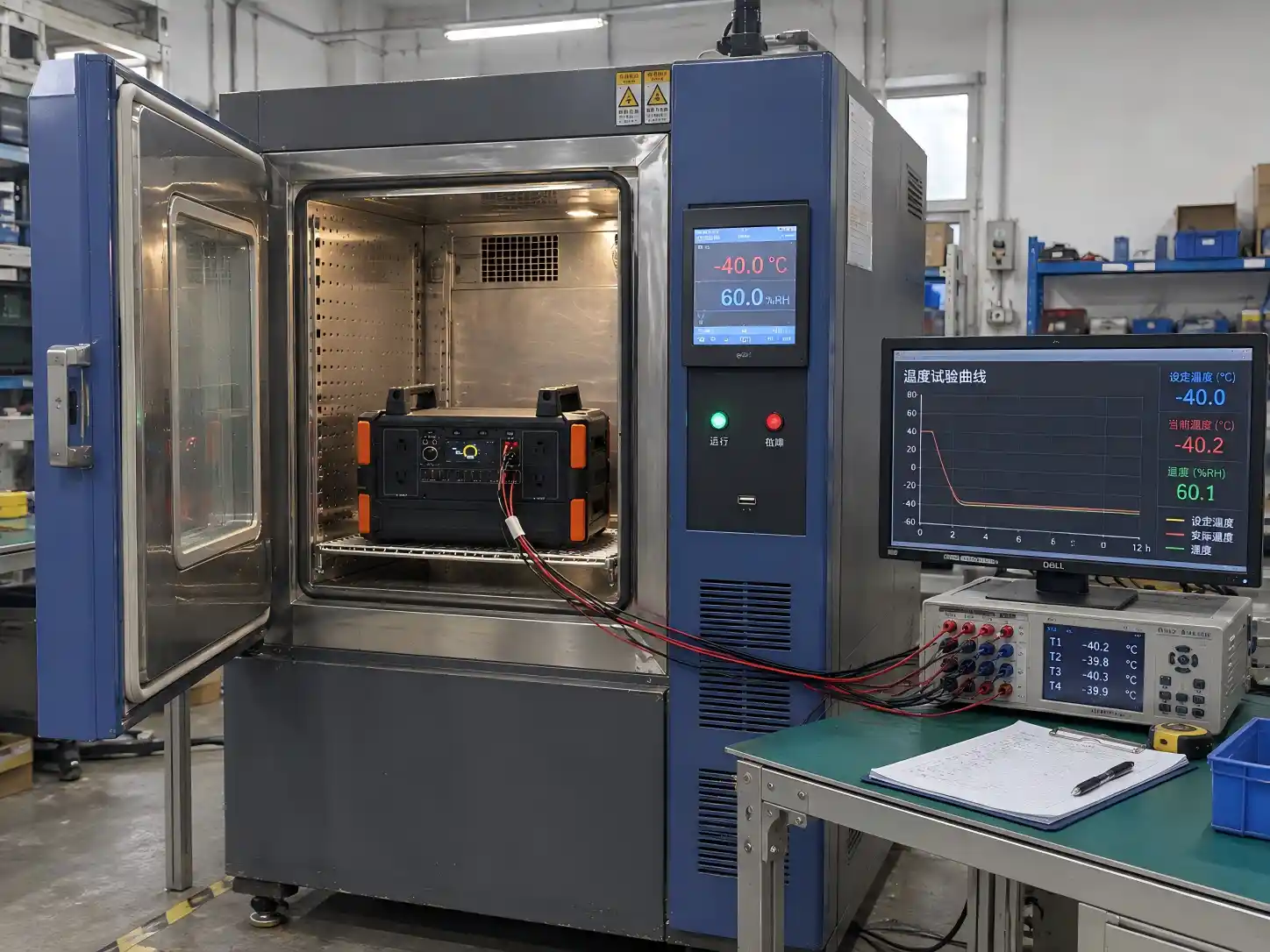
Environmental & Thermal Review
Temperature and humidity test plans can be applied to cold-start, heat-soak, and enclosure thermal-behavior checks.
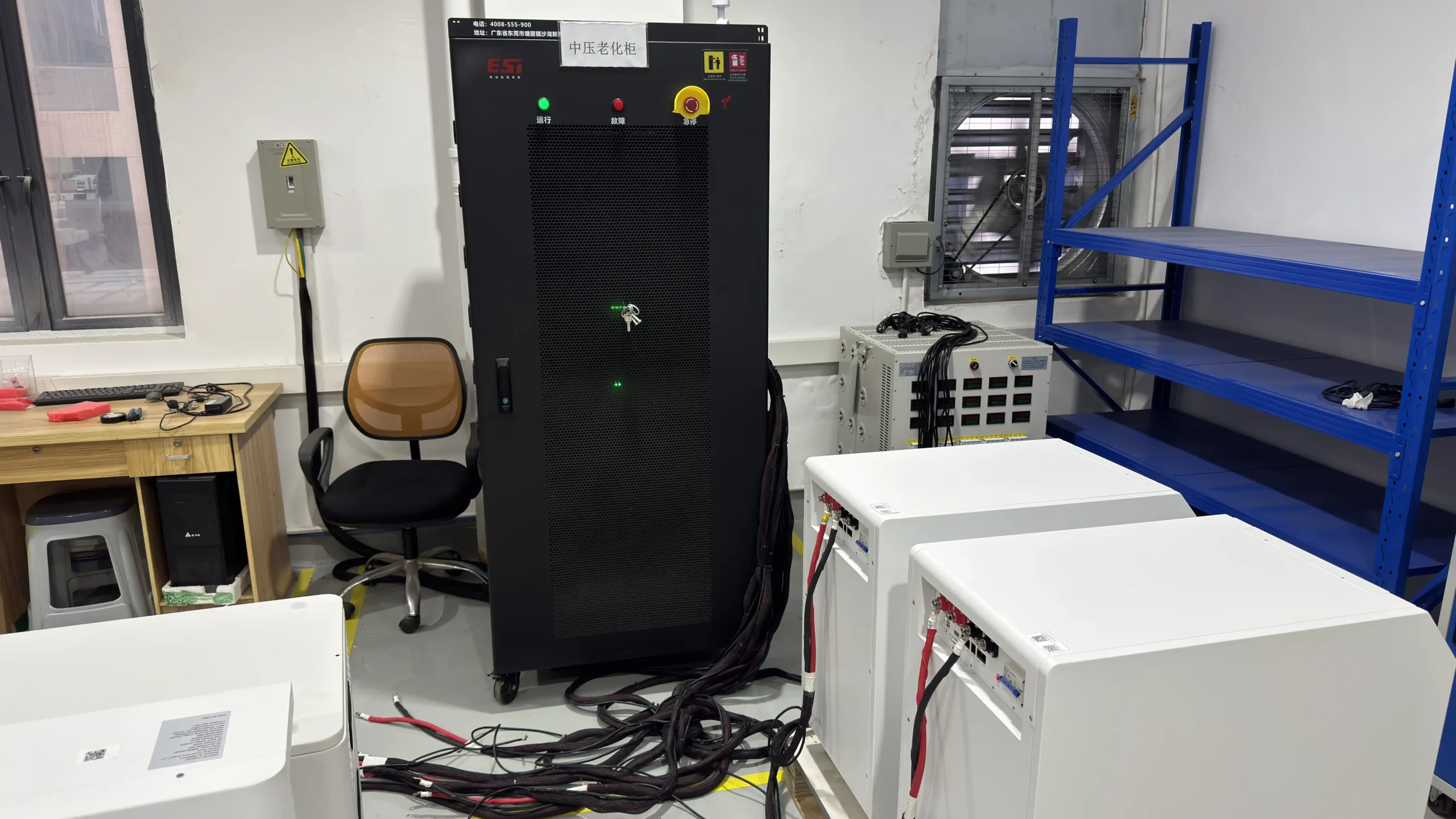
High-Voltage Safety Testers
Hipot, insulation, and ground-bond checks support electrical isolation review across modules, racks, and enclosures.

Precision Power Analysis
Power analyzers help review efficiency, waveform behavior, current sharing, and inverter response under the selected load profile.
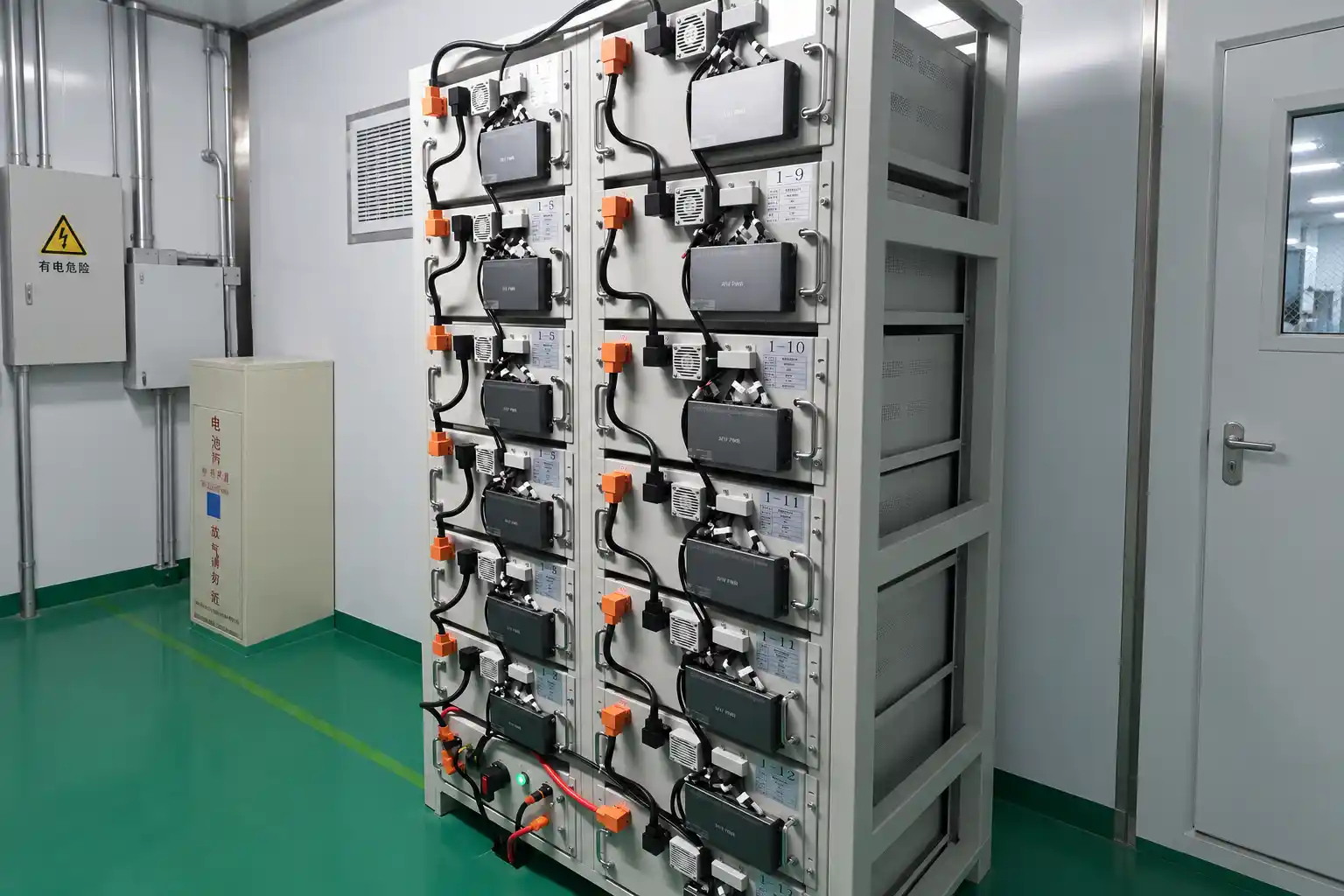
System Integration Bench
Control, protection, and communication behavior can be reviewed against microgrid, backup, and peak-shaving operating scenarios.
BMS & EMS Scenario Bench
Hardware-in-the-loop and software checks can emulate cell imbalance, sensor faults, and solar-plus-storage control sequences.
Product and project standards reference
This matrix is a planning reference only. Final test scope, certification route, and documentation are confirmed for the product, target market, system architecture, and project authority having jurisdiction.
| Standard & Scope | Portable Power | Home Storage | Commercial & Industrial ESS |
|---|---|---|---|
|
UN38.3
Lithium battery transport safety testing
|
|||
|
UL 2743
Portable power-pack electrical & fire safety
|
— | — | |
|
UL 1973
Stationary energy storage battery system safety
|
— | ||
|
IEC 62619
Secondary lithium cells for industrial applications
|
— | ||
|
IEC 62133
Safety requirements for portable sealed cells
|
— | — | |
|
IEC 63056
Electrical energy storage systems up to 1500V DC
|
— | ||
|
CE / EMC Directive
European Union health, safety & emission harmony
|
|||
|
FCC Part 15B
Unintentional radiated electromagnetic compliance
|
|||
|
UN3480 DGR
Dangerous goods air / sea export packaging approval
|
Every serial number has an accessible origin
Completed battery modules can be registered in the MES with a serial-linked production record. Depending on the project, the record may include cell lot information, weld inspection results, aging curves, and inspection sign-offs.
Cell Lot to Pack Linking
Direct mapping from upstream cell manufacturer batch codes down to individual battery serials.
Traceable Test Telemetry
Charge/discharge curves, resistance data, and temperature records can be retained according to the agreed project period.
Inspection Sign-Off Logs
Direct operator accountability with digital sign-offs at both inline IPQC and outbound OQC gates.

Closed-Loop Non-Conformance System
When anomalies arise, our structured corrective-action cycle helps contain the issue, identify contributing factors, and verify the next process change before series production proceeds.
Contain & Isolate
Non-conforming lots are quarantined electronically and physically to prevent integration into active production.
Root-Cause Analysis
Engineers deploy 5-Why and Ishikawa models to diagnose material defects, process deviations, or fixture wear.
Corrective Action
Deploying corrective measures such as updated work instructions, process parameters, or supplier incoming specifications.
Standardize & Audit
Validating process stability across subsequent pilot runs and locking parameters into the quality registry.
Build a validation plan around the product you need to ship.
Share the product category, target market, duty cycle, and validation priorities. VoltCrave Power can align the test plan, records, and release gates with your program.