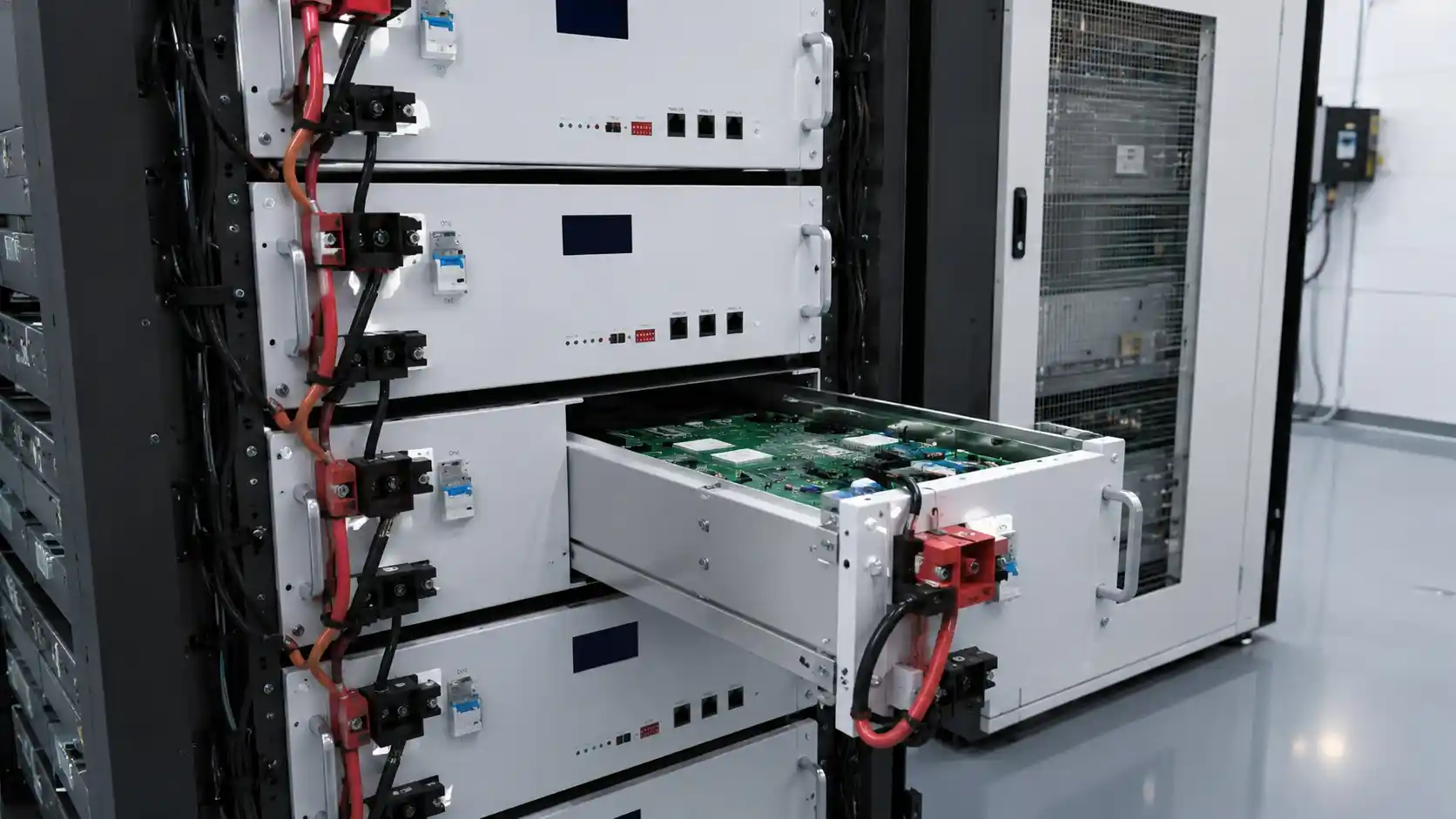
A reliable LiFePO4 battery management system should do more than disconnect the battery when voltage, current, or temperature moves outside a safe range.
In real energy storage systems, the BMS also has to prevent problems that affect system availability, usable battery capacity, inverter operation, fault recovery, and after-sales diagnostics.
For distributors, installers, system integrators, and project buyers, this matters because many field complaints are not caused by a complete battery failure. They are caused by repeated protection trips, weak-cell limitations, inaccurate SOC, communication loss, or faults that are difficult to diagnose after the event.
A well-designed BMS therefore needs to manage both battery safety and system reliability.
1. Prevent One Weak Cell From Reaching Unsafe Voltage Limits
A LiFePO4 battery pack is only as strong as its weakest cell.
Looking only at total pack voltage is not enough because individual cells can behave differently as the battery ages or becomes unbalanced.
One cell may reach its upper voltage limit before the rest of the pack during charging, while another may reach its lower limit first during discharge. In both cases, the total battery voltage can still appear normal.
A reliable BMS should therefore monitor individual cell voltages and respond before one cell is pushed beyond its permitted operating range.
This helps prevent:
- cell overvoltage
- cell undervoltage
- premature charge cutoff
- premature discharge cutoff
- reduced usable battery capacity
- repeated protection events caused by one weak cell
Cell balancing also matters, but balancing should not be treated as a substitute for identifying a defective or significantly degraded cell.
For B2B buyers, the important question is not only whether the BMS “has balancing,” but whether it provides enough cell-level visibility to identify growing imbalance before it becomes a system-level problem.
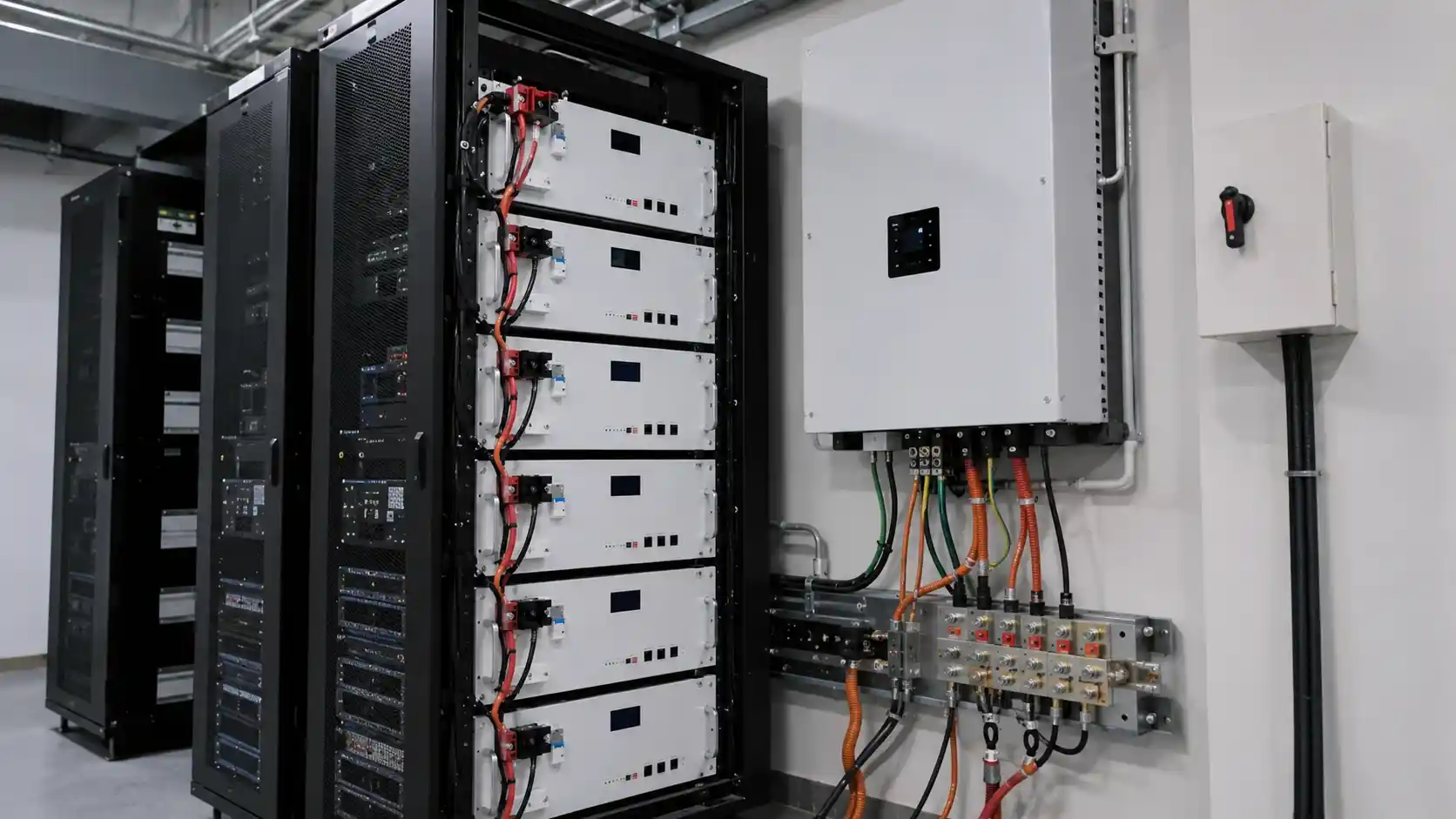
2. Prevent Inverter Surge and Load Peaks From Causing Unnecessary BMS Trips
Overcurrent protection is essential, but protection that is too sensitive can create unnecessary shutdowns.
In energy storage systems, short-duration current peaks may occur during:
- inverter startup
- DC bus capacitor charging
- motor startup
- compressor startup
- pump startup
- temporary overload conditions
These events are different from a sustained short circuit.
If the BMS cannot distinguish normal short-duration surge demand from a genuine fault, the battery may shut down even though the cells themselves are still operating safely.
This creates a common field problem:
the battery still has sufficient energy, but the system stops because the BMS reaches its current protection limit.
A reliable BMS should therefore be coordinated with the expected inverter and load profile.
B2B buyers should verify:
- continuous discharge current
- short-duration peak current
- supported surge duration
- overcurrent trip behavior
- short-circuit protection logic
- recovery behavior after a trip
The objective is not to weaken protection. It is to avoid making the BMS the limiting component during normal system operation.
3. Prevent Unsafe Temperature Conditions and Thermal Blind Spots
Temperature protection is another basic BMS function, but a simple high-temperature or low-temperature cutoff is not always enough.
In a real battery system, ambient temperature does not necessarily represent the actual temperature of every cell or internal power component.
Different parts of the system may experience different thermal conditions, especially in:
- rack-mounted battery banks
- enclosed cabinets
- high-current applications
- outdoor telecom systems
- commercial ESS installations
Potential thermal risks include:
- charging cells when they are too cold
- operating cells at excessive temperature
- local module hotspots
- MOSFET or contactor heating
- uneven temperature distribution inside a rack
- repeated thermal shutdowns
A reliable BMS should monitor the temperature conditions that actually matter to battery operation.
Depending on the design, the system may use warnings, current limitation, charge inhibition, discharge limitation, or hard shutdown.
The exact logic should remain product-specific, but buyers should understand how the BMS responds before and after a thermal protection event.
4. Prevent Cell Imbalance From Reducing Usable Battery Capacity
Cell imbalance is not only a maintenance issue. Over time, it can directly reduce the usable capacity of the entire battery pack.
If one cell reaches its voltage limit earlier than the others, the BMS may stop charging or discharging to protect that cell.
The battery may therefore appear to have lost capacity even though most of the cells still contain usable energy.
This is particularly important in rack batteries and multi-module energy storage systems where long-term consistency affects:
- runtime
- parallel operation
- charging behavior
- system expansion
- service life
A reliable BMS should help identify whether the pack is becoming increasingly limited by one or more cells.
Useful information may include:
- minimum cell voltage
- maximum cell voltage
- cell-voltage spread
- balancing status
- repeated high-cell or low-cell events
For buyers, the key issue is not whether the BMS uses a specific balancing method. The more important question is whether the system can detect and manage imbalance before it repeatedly limits normal operation.
5. Prevent SOC Drift and Misleading Remaining-Capacity Readings
State of charge is one of the most important values reported by a battery system.
It also creates many real-world problems when the value becomes inaccurate.
LiFePO4 chemistry has a relatively flat voltage profile over a large part of its usable operating range. This means voltage alone does not provide a reliable indication of remaining capacity through much of the discharge cycle.
If SOC estimation drifts, users may see problems such as:
- the battery shows remaining charge but shuts down early
- SOC suddenly drops near the end of discharge
- inverter and battery SOC values disagree
- backup reserve becomes unreliable
- charging schedules behave incorrectly
- expected runtime does not match actual runtime
A reliable BMS should therefore manage SOC estimation carefully and maintain consistent battery data over repeated charge and discharge cycles.
For commercial and backup applications, inaccurate SOC is not simply a display problem. It can affect operating strategy, backup reserve, energy scheduling, and customer confidence in the battery system.
6. Prevent Communication Loss From Becoming a Safety Failure
Modern LiFePO4 batteries often communicate with inverters, PCS units, EMS platforms, or monitoring systems through CAN or RS485.
This communication may carry information such as:
- SOC
- battery voltage
- current
- temperature
- charge current limits
- discharge current limits
- alarms
- fault states
Communication is important for system coordination, but local battery safety should not depend entirely on an upstream communication link.
If CAN or RS485 communication is interrupted, the BMS should still maintain the local protection functions required to keep the battery within safe operating limits.
This distinction is important:
system communication controls operation; the BMS must still retain local protection.
For telecom, remote backup, rack battery, and C&I applications, buyers should understand what happens if communication is lost.
Does the system:
- continue with local protection?
- reduce charge or discharge capability?
- enter a defined fallback mode?
- stop operation completely?
There is no single correct behavior for every application, but the response should be clearly defined.
7. Prevent Fault-Recovery and Measurement Errors From Causing Repeated Shutdowns
A BMS makes decisions based on sensor data.
If voltage, current, or temperature measurements are incorrect, the BMS can make the wrong protection decision even if its logic is functioning as designed.
Potential causes include:
- loose voltage-sense connections
- damaged temperature sensors
- current-sensor drift
- noisy measurements
- wiring faults
The result may be:
- false overvoltage alarms
- false undervoltage alarms
- incorrect temperature trips
- inaccurate SOC
- repeated system shutdowns
Fault recovery also matters.
After a protection event, different systems may:
- recover automatically
- wait for voltage or temperature to return to range
- require charger wake-up
- require manual reset
- latch the fault until inspection
An excellent BMS should avoid repeatedly reconnecting into a persistent fault condition.
For remote and commercial systems, unclear recovery behavior can create unnecessary downtime and site visits.
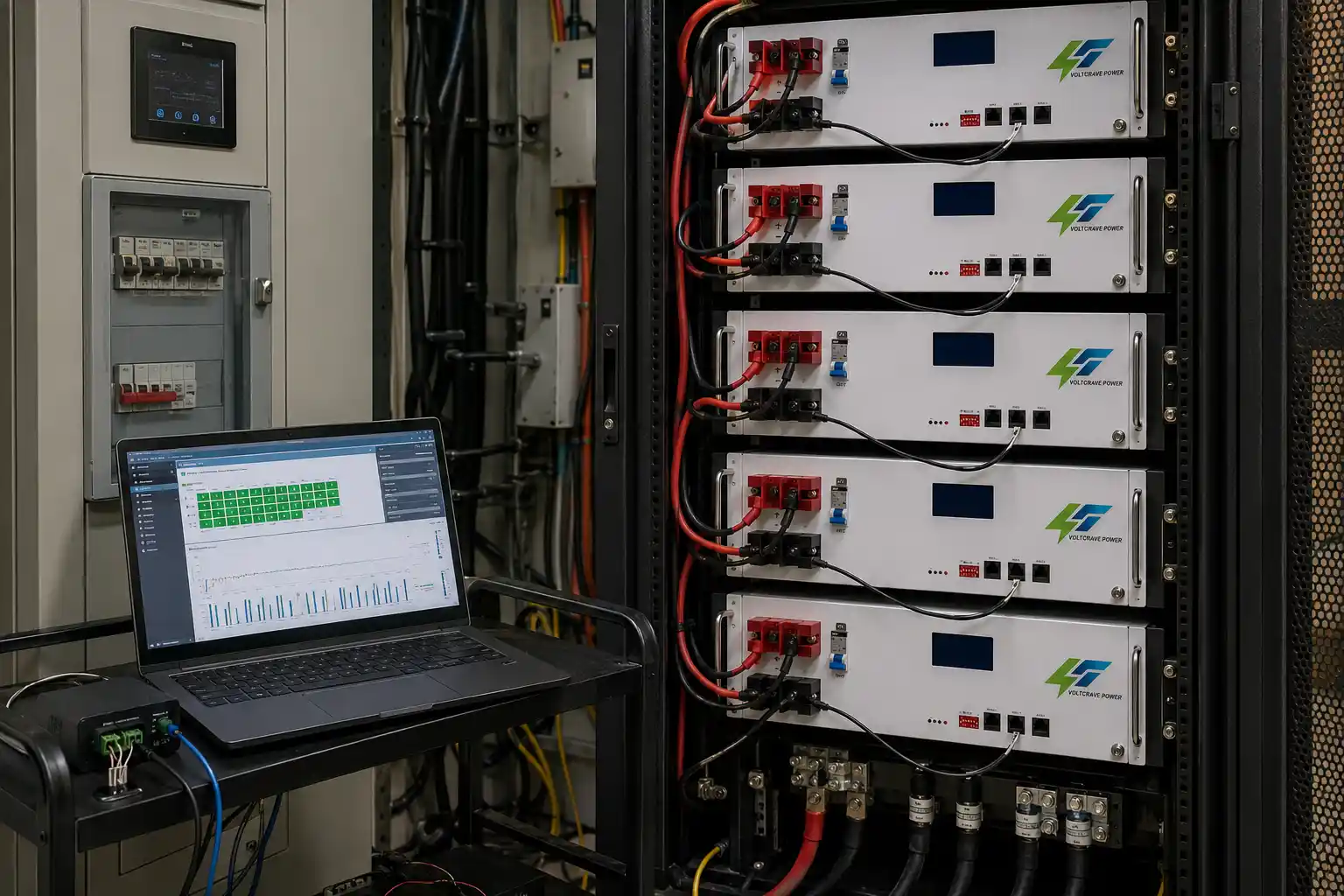
8. Prevent Battery Faults From Becoming Diagnostic Black Holes
A BMS should not only protect the battery when something goes wrong.
It should also preserve enough information to explain what happened.
This becomes especially important for distributors, EPCs, installers, and service teams.
If a customer reports:
“The battery shut down last night.”
the support team needs more than the current battery status.
Useful diagnostic information may include:
- fault code
- timestamp
- pack voltage
- minimum and maximum cell voltage
- battery current
- battery temperature
- SOC
- communication status
- charge/discharge limit at the time of the event
Without this information, the supplier may not know whether the cause was:
- inverter demand
- overcurrent
- a weak cell
- high temperature
- communication loss
- a sensor problem
- incorrect system settings
A reliable BMS should therefore make faults traceable.
This does not mean every battery needs an advanced cloud platform, but commercial buyers should understand what fault history and diagnostic information are available before purchasing.
9. Prevent One Module or Master BMS Fault From Creating a Larger System Failure
This issue becomes more important as battery systems scale.
Rack-mounted and commercial energy storage systems may include:
- multiple battery modules
- parallel racks
- master/slave communication
- rack-level controllers
- a master BMS
In these systems, the failure of one module or one communication node can create a larger operational problem if the architecture is not designed appropriately.
Potential issues include:
- one module dropping off the communication bus
- address conflicts
- loss of master communication
- incorrect total current limits
- entire battery bank becoming unavailable because one module faults
A reliable system should have a clearly defined response to these conditions.
For larger projects, buyers should ask whether local modules retain protection and how the battery bank behaves if one module or the master controller becomes unavailable.
The correct architecture will depend on the product and project size, so this should be verified rather than assumed.
BMS Protection Should Be the Last Line of Defense, Not the Normal Operating Strategy
One of the most important principles in energy storage design is that repeated BMS shutdowns should not be treated as normal operation.
If a system regularly reaches:
- overcurrent cutoff
- low-voltage cutoff
- high-temperature protection
- short-circuit protection
the root cause may be system design rather than the BMS itself.
Examples include:
- an inverter that is too large for the battery bank
- insufficient battery modules in parallel
- incorrect charging settings
- poor cable design
- excessive ambient temperature
- incompatible system configuration
The BMS should protect the battery when abnormal conditions occur.
It should not be used as a substitute for correct system sizing and control.
What Should B2B Buyers Ask the Battery Supplier to Verify?
Before purchasing a LiFePO4 battery for an energy storage project, buyers should look beyond the words “smart BMS” or “multiple protection functions.”
Ask the supplier to confirm:
| Item to Verify | Why It Matters |
|---|---|
| Individual cell monitoring | Prevents one weak cell from being hidden by normal pack voltage |
| Continuous discharge current | Confirms compatibility with normal inverter demand |
| Peak current capability | Helps verify startup and surge-load performance |
| Overcurrent and short-circuit behavior | Reduces nuisance trips while maintaining protection |
| Charging and discharging temperature logic | Confirms suitability for the installation environment |
| Cell balancing strategy | Helps manage long-term cell consistency |
| SOC reporting method | Affects runtime prediction and energy-management accuracy |
| CAN / RS485 behavior | Confirms system communication requirements |
| Communication-loss response | Shows whether local protection remains available |
| Fault recovery behavior | Determines whether faults require manual intervention |
| Event and alarm history | Supports faster field diagnosis |
| Multi-module behavior | Important for rack and parallel battery systems |
A supplier should be able to explain how the BMS behaves under real operating conditions, not simply provide a list of protection names.
Final Selection: A Good BMS Protects More Than the Cells
The quality of a LiFePO4 BMS should not be judged only by whether it includes overcharge, over-discharge, overcurrent, and temperature protection.
In a real energy storage system, a reliable BMS should also help prevent:
- one weak cell from limiting the pack
- unnecessary inverter-related shutdowns
- thermal blind spots
- misleading SOC
- communication-related protection gaps
- repeated fault-recovery cycles
- undiagnosable field failures
- multi-module faults from affecting the whole battery bank
For B2B buyers, these issues directly affect commissioning, system availability, after-sales support, and long-term battery performance.
Before selecting a battery, verify not only what protections the BMS has, but also how those protections behave when the system is under real load, temperature, communication, and fault conditions.
FAQs
What protections should a LiFePO4 BMS have?
At minimum, it should monitor and protect against unsafe cell voltage, current, short circuit, and temperature conditions. For energy storage systems, cell balancing, communication, fault recovery, and diagnostics are also important.
Why does a LiFePO4 battery shut down even when it still has charge?
Possible causes include a weak cell reaching its limit, inverter surge current, BMS current limits, temperature protection, communication problems, or inaccurate SOC reporting.
Can a BMS cause incorrect SOC readings?
Yes. SOC estimation depends on current measurement, calibration, battery operating history, and the characteristics of LiFePO4 chemistry. Poor estimation can cause misleading remaining-capacity readings.
What happens if CAN or RS485 communication fails?
The exact response depends on the system design. Local BMS protection should remain available, while inverter or EMS control may enter a fallback state or stop depending on the configured architecture.
Why are BMS event logs important for commercial battery systems?
Event logs help installers and suppliers identify the conditions that caused a protection event, which can make remote troubleshooting and after-sales diagnosis much faster.
Need help matching this topic to a real battery project?
Send your target application, capacity range, certification market, and order plan. VoltCrave can recommend a practical product direction.