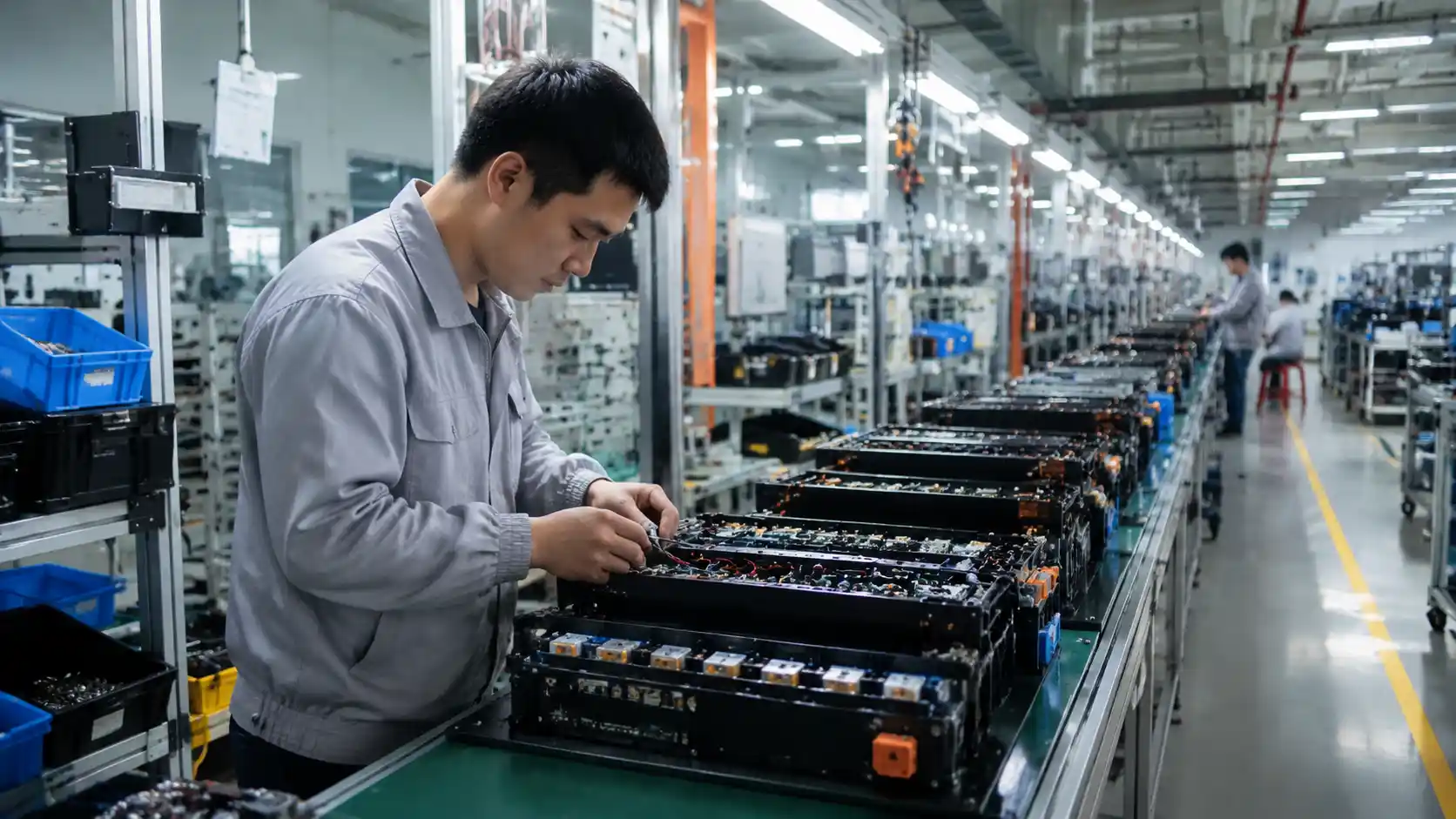
Why Choosing the Right Battery Chemistry Matters More Than Ever
As global demand for renewable energy continues to grow, energy storage has become a critical part of residential, commercial, and industrial power systems. Whether supporting solar installations, backup power, telecommunications, or microgrids, battery performance directly affects system reliability and long-term investment returns.
For many buyers, the comparison between LiFePO4 vs Lithium-ion Battery is one of the first topics researched before placing an order. However, the real purchasing decision is often more complicated than comparing specifications on a datasheet.
Procurement managers, distributors, EPC contractors, and system integrators are not simply looking for the battery with the highest capacity. Their priorities usually include operational safety, product lifespan, maintenance costs, technical support, warranty coverage, and the long-term reliability of the manufacturer.
A battery that appears inexpensive during procurement may become the most expensive option after several years if it requires early replacement or creates maintenance issues. Conversely, a battery with a higher initial investment may significantly reduce lifetime operating costs through improved durability and reliability.
This is why understanding the differences between LiFePO4 vs Lithium-ion Battery is essential for making informed purchasing decisions rather than simply selecting the lowest quotation.
At Voltcrave Power, we work with distributors, project developers, installers, and OEM partners worldwide. We understand that successful energy storage projects depend not only on battery technology but also on selecting the right manufacturing partner capable of supporting long-term business growth.
Understanding What LiFePO4 and Lithium-ion Batteries Really Mean
One of the biggest misconceptions in the energy storage industry is that LiFePO4 and lithium-ion batteries are completely different technologies.
In reality, LiFePO4 batteries belong to the lithium-ion battery family. The difference lies in the cathode material used inside the cells.
Traditional lithium-ion batteries commonly use chemistries such as Nickel Manganese Cobalt (NMC), Nickel Cobalt Aluminum (NCA), or Lithium Cobalt Oxide (LCO). LiFePO4 batteries, on the other hand, use lithium iron phosphate as the cathode material.
This seemingly small material difference has a significant impact on battery performance.
LiFePO4 batteries are generally recognized for their excellent thermal stability, long service life, and consistent performance under frequent charge and discharge cycles. Traditional lithium-ion chemistries often provide higher energy density, making them more suitable for applications where minimizing weight and size is the primary objective.
For stationary energy storage systems, where space is usually less restricted than in electric vehicles or portable electronics, buyers often place greater value on safety, durability, and total cost of ownership.
Understanding these practical differences allows businesses to select battery technology based on project requirements instead of marketing claims.
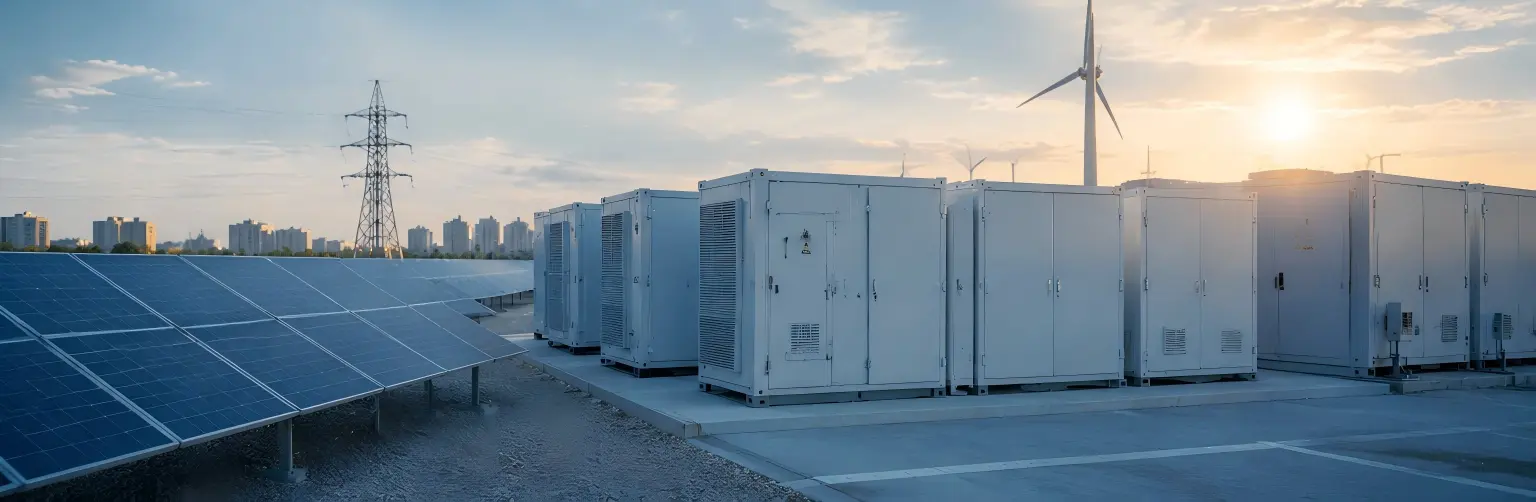
Why Energy Storage Buyers Are Choosing LiFePO4 More Frequently
Over the past several years, market demand has shifted noticeably toward LiFePO4 technology for stationary energy storage.
This trend is driven by several practical considerations rather than industry hype.
Energy storage systems are expected to operate reliably for many years while experiencing daily charging and discharging cycles. Frequent battery replacement increases operating costs, creates downtime, and affects customer satisfaction.
LiFePO4 technology helps reduce these concerns by offering stable performance throughout its operational life.
For businesses investing in commercial or residential energy storage, reliability is often more valuable than achieving the highest possible energy density.
Typical applications include:
- Residential solar energy storage
- Commercial battery energy storage systems (BESS)
- Industrial backup power
- Telecommunications backup
- Off-grid power systems
- Hybrid renewable energy projects
Each of these applications demands batteries capable of delivering consistent performance over thousands of operating cycles.
Rather than focusing only on technical specifications, buyers increasingly evaluate how battery technology contributes to lower maintenance costs and better long-term project economics.
Comparing LiFePO4 vs Lithium-ion Battery for Energy Storage Applications
The following comparison highlights the characteristics that matter most when selecting batteries for energy storage projects.
| Comparison Factor | LiFePO4 Battery | Traditional Lithium-ion Battery |
|---|---|---|
| Thermal Stability | Excellent | Good |
| Cycle Life | Longer | Moderate |
| Safety Performance | Very High | High |
| Energy Density | Moderate | Higher |
| Daily Cycling Performance | Excellent | Good |
| Maintenance Requirements | Lower | Moderate |
| Best Use Cases | Energy storage, solar, backup systems | Electric vehicles, portable electronics |
Although traditional lithium-ion batteries often provide higher energy density, many commercial energy storage projects prioritize safety, operational stability, and service life over compact size.
This is one of the primary reasons why the discussion surrounding LiFePO4 vs Lithium-ion Battery continues to favor LiFePO4 technology for stationary applications.
Customer Pain Point: Is the Lowest Price Really the Lowest Cost?
One of the most common mistakes during procurement is evaluating suppliers based only on purchase price.
While obtaining competitive pricing is important, experienced buyers understand that the initial quotation represents only a portion of the project’s lifetime cost.
The real investment includes:
- Installation expenses
- Maintenance requirements
- Battery replacement costs
- System downtime
- Warranty support
- Labor expenses
- Operational efficiency
A battery with a lower purchase price but shorter service life may require replacement years earlier than expected.
This can increase project costs significantly.
For example, replacing batteries during the middle of a commercial project may involve transportation, labor, system shutdown, and customer service expenses that far exceed the original price difference between competing suppliers.
Many procurement managers therefore evaluate batteries using Total Cost of Ownership (TCO) rather than purchase price alone.
This approach provides a more accurate understanding of long-term project profitability.
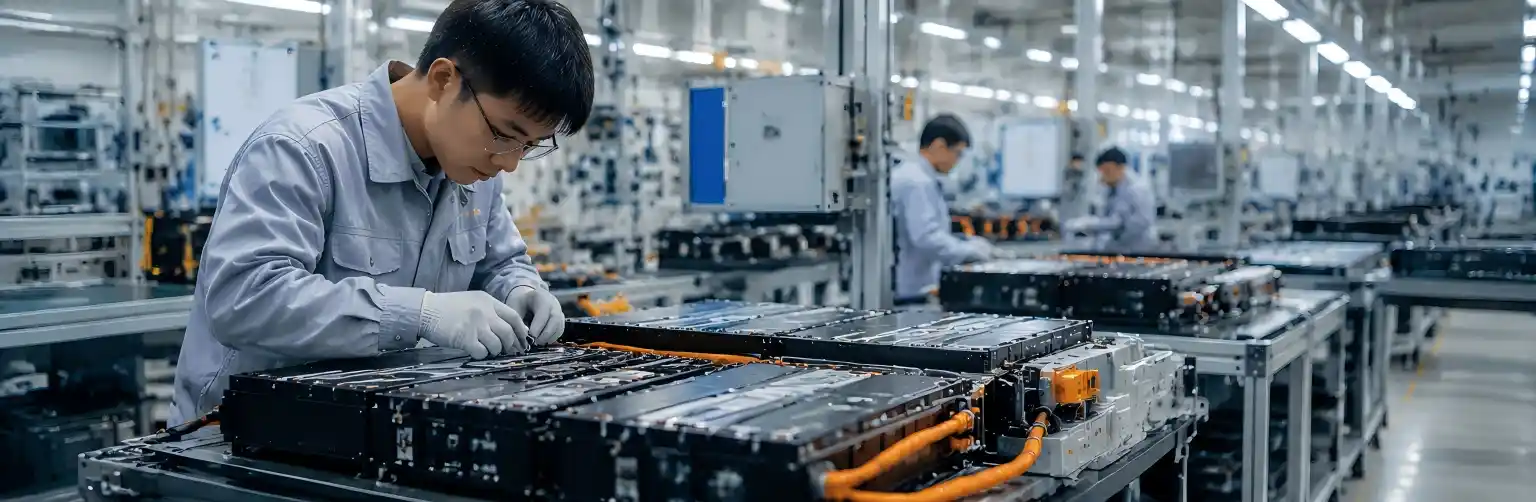
Safety Is More Than a Product Specification
Safety has become one of the most important considerations in energy storage procurement.
Large-scale battery systems store significant amounts of electrical energy. Selecting unsuitable battery chemistry or purchasing from an inexperienced manufacturer may increase operational risks.
When evaluating battery safety, buyers should consider more than the battery chemistry itself.
Important factors include:
- Battery Management System (BMS)
- Cell consistency
- Pack structural design
- Thermal management
- Manufacturing quality
- Testing procedures
- Quality inspection standards
Even excellent battery cells cannot compensate for poor manufacturing processes.
This is why selecting an experienced Lithium-ion Battery Manufacturer is just as important as selecting the battery chemistry itself.
Professional manufacturers invest heavily in quality control throughout every production stage, ensuring that battery packs maintain stable performance throughout their operational lifetime.
For businesses planning long-term deployments, consistent manufacturing quality often becomes one of the strongest competitive advantages.
How to Identify a Reliable LiFePO4 Battery Supplier
The rapid growth of the global energy storage market has introduced thousands of battery suppliers.
However, not every supplier has true manufacturing capability.
Some companies primarily function as trading businesses, while others manage complete production facilities with dedicated engineering teams, testing laboratories, and quality management systems.
Before selecting a LiFePO4 battery supplier, buyers should carefully evaluate several important factors.
First, determine whether the supplier operates its own manufacturing facility or outsources production.
Second, review quality management procedures, including cell matching, aging tests, final inspections, and traceability systems.
Third, evaluate engineering support capabilities.
Can the supplier assist with communication protocols, BMS customization, enclosure modifications, or OEM development?
Finally, examine after-sales support.
A professional supplier should continue supporting customers after delivery rather than ending communication once payment has been completed.
Businesses planning long-term cooperation should prioritize suppliers capable of becoming strategic partners instead of simply product vendors.
This approach reduces procurement risk while improving long-term project success.
How to Evaluate a Professional Lithium-ion Battery Manufacturer
Selecting the right battery chemistry is only one part of a successful energy storage project. Equally important is choosing a manufacturing partner that can consistently deliver high-quality products, technical support, and stable production capacity.
Many international buyers discover that suppliers offering similar specifications may deliver very different levels of quality. The difference often lies not in the battery cells themselves, but in the manufacturer’s engineering expertise, quality management system, and production standards.
When evaluating a Lithium-ion Battery Manufacturer, buyers should look beyond product catalogs and marketing materials. Instead, they should examine whether the manufacturer has the capabilities required to support long-term cooperation.
Key evaluation criteria include:
- In-house battery pack design and engineering
- Automated production and assembly processes
- Battery Management System (BMS) development
- Cell matching and balancing technology
- Product testing and aging procedures
- International certification support
- Technical assistance before and after delivery
Manufacturers with strong engineering teams can often provide valuable recommendations during the early stages of a project. This helps buyers avoid unnecessary design changes and reduces the risk of compatibility issues after installation.
For businesses planning to develop their own branded energy storage products, technical support is just as valuable as manufacturing capacity.
Questions Every Buyer Should Ask Before Choosing a Supplier
Choosing the wrong supplier can result in delayed projects, inconsistent product quality, or costly warranty claims.
Before making a purchasing decision, buyers should ask several practical questions.
| Question | Why It Matters |
|---|---|
| Does the supplier own its factory? | Confirms real manufacturing capability. |
| How are battery cells tested? | Ensures consistent performance and safety. |
| Is every battery pack fully inspected? | Reduces quality risks before shipment. |
| Can the supplier provide OEM or ODM services? | Supports future business growth and branding. |
| What technical support is available after delivery? | Helps resolve installation or configuration issues quickly. |
| What certifications are available? | Ensures compliance with target market requirements. |
A supplier willing to answer these questions transparently is generally more reliable than one that focuses only on offering the lowest quotation.
Professional manufacturers understand that long-term partnerships are built on trust, communication, and consistent product quality.
OEM and Private Label Solutions for Growing Energy Storage Businesses
As demand for energy storage systems continues to increase worldwide, many distributors and system integrators are developing their own product brands instead of selling generic battery systems.
OEM and private label manufacturing allow businesses to strengthen brand recognition while offering products tailored to local market requirements.
Typical customization options include:
- Company logo and product branding
- Custom housing colors and appearance
- Battery capacity options
- Communication protocols
- LCD display customization
- Packaging design
- User manuals in multiple languages
- Regional certification support
Working with an experienced manufacturer simplifies this process by providing engineering guidance throughout product development.
Voltcrave Power supports businesses seeking customized LiFePO4 energy storage solutions through flexible OEM and private label services. Whether customers require branded residential battery systems or customized commercial energy storage products, our engineering team works closely with partners to ensure each solution meets specific market requirements.
Understanding MOQ Before Starting a Project
Minimum Order Quantity (MOQ) is an important factor for buyers entering the energy storage market.
Some companies are launching new products and prefer smaller trial orders, while others are preparing for large-scale distribution and require customized manufacturing.
To support different business models, Voltcrave Power offers flexible purchasing options.
| Product Type | MOQ |
| Standard stock products | 10–20 units |
| OEM / Private Label products | 300–500 units |
| Fully customized energy storage projects | Based on project requirements |
This flexible MOQ structure allows new distributors to test market demand before committing to larger production volumes while providing established brands with scalable manufacturing capacity.
Common Procurement Mistakes That Increase Project Costs
Many purchasing problems do not originate from battery technology itself but from procurement decisions made during the supplier selection process.
One common mistake is choosing suppliers solely based on the lowest price.
Although reducing procurement costs is important, the cheapest quotation may not represent the lowest overall project cost.
Poor manufacturing quality can result in:
- Increased maintenance expenses
- Higher warranty claims
- Product inconsistency
- Customer dissatisfaction
- Earlier battery replacement
Another mistake is overlooking after-sales support.
Energy storage systems often require software configuration, communication protocol adjustments, or troubleshooting during installation. Without responsive technical support, even a high-quality battery may create unnecessary project delays.
Finally, some buyers underestimate the importance of supply chain stability.
A reliable manufacturer should be capable of maintaining consistent production schedules, ensuring timely deliveries, and supporting future expansion as customer demand grows.
Evaluating these factors before placing an order helps reduce procurement risks and strengthens long-term business relationships.
Choosing the Right Battery Technology for Different Applications
Although the discussion around LiFePO4 vs Lithium-ion Battery often focuses on technical specifications, the best choice depends on the intended application.
| Application | Recommended Battery Technology | Primary Reason |
| Residential solar storage | LiFePO4 | Long lifespan and excellent safety |
| Commercial energy storage | LiFePO4 | Reliable daily cycling performance |
| Industrial backup systems | LiFePO4 | Stable long-term operation |
| Telecommunications | LiFePO4 | High reliability and low maintenance |
| Portable consumer electronics | Traditional Lithium-ion | Higher energy density |
| Electric vehicles requiring maximum driving range | Traditional Lithium-ion | Lightweight and compact design |
For stationary energy storage, safety, reliability, and lifecycle cost generally outweigh the benefits of higher energy density.
This explains why LiFePO4 technology has become the preferred choice for many residential and commercial energy storage projects worldwide.
Why Long-Term Partnership Matters More Than One-Time Purchasing
Energy storage projects rarely end after product delivery.
Successful projects require ongoing cooperation between manufacturers, distributors, installers, and end users.
Choosing a reliable LiFePO4 battery supplier means gaining access to technical expertise, product improvements, engineering support, and future product development.
Rather than treating suppliers as short-term vendors, many successful businesses build long-term partnerships that improve product quality, reduce operational risks, and support continuous market expansion.
At Voltcrave Power, we believe every successful energy storage project begins with understanding customer requirements rather than simply recommending products.
By combining reliable LiFePO4 battery technology with flexible manufacturing capabilities and responsive technical support, we help businesses build dependable energy storage solutions that remain competitive in a rapidly evolving market.
FAQs
What is the main difference between LiFePO4 and traditional lithium-ion batteries for energy storage?
The main difference between LiFePO4 and traditional lithium-ion batteries is the battery chemistry used inside the cells. LiFePO4 batteries use lithium iron phosphate chemistry, which provides excellent thermal stability, longer cycle life, and strong safety performance. Traditional lithium-ion batteries, such as NMC-based batteries, usually provide higher energy density but may have different performance characteristics.
For stationary energy storage applications, many businesses prefer LiFePO4 because long service life, safety, and reliability are usually more important than reducing battery size and weight.
Is LiFePO4 better than lithium-ion batteries for solar energy storage systems?
For most solar energy storage applications, LiFePO4 is considered a better option because solar storage systems typically require thousands of charge and discharge cycles over many years.
Important factors for solar storage include:
- Long cycle life
- Stable performance
- High safety
- Low maintenance requirements
- Reliable operation under different temperatures
Because of these requirements, many solar installers and energy storage companies choose LiFePO4 battery systems.
How do I choose a reliable LiFePO4 battery supplier for my business?
A reliable LiFePO4 battery supplier should provide more than competitive pricing. Buyers should evaluate manufacturing capability, product quality control, technical support, customization ability, and after-sales service.
Before cooperation, buyers should check:
- Factory production capability
- Battery testing procedures
- Cell quality standards
- BMS development capability
- Warranty policy
- Previous project experience
A professional supplier should be able to provide transparent technical information and support customers throughout the entire project lifecycle.
What should I check when choosing a Lithium-ion Battery Manufacturer?
When selecting a Lithium-ion Battery Manufacturer, buyers should evaluate whether the company has real engineering and manufacturing capabilities.
Important factors include:
- Production facilities
- Quality inspection systems
- Battery pack design experience
- OEM capability
- Certification support
- Delivery reliability
A manufacturer with strong technical capability can help customers optimize battery solutions according to different markets and applications.
What is the MOQ for purchasing LiFePO4 energy storage batteries?
MOQ depends on whether customers purchase standard products or customized solutions.
For Voltcrave Power, the purchasing options are:
- Stock products: starting from 10–20 units
- OEM/private label products: starting from 300–500 units
- Customized energy storage projects: evaluated according to technical requirements
This flexible MOQ structure allows distributors, installers, and new energy companies to choose a purchasing model suitable for their business stage.
Can I order LiFePO4 batteries with my own brand name?
Yes. Many energy storage businesses use OEM and private label manufacturing to create their own branded products.
OEM cooperation may include:
- Brand labeling
- Customized appearance
- Packaging design
- Product documentation
- Capacity configuration
- Communication settings
Working with an experienced manufacturer helps companies enter new markets faster while maintaining product quality and reliability.
Which countries have high demand for LiFePO4 energy storage batteries?
LiFePO4 energy storage batteries are widely used in markets where renewable energy adoption and backup power demand are increasing.
Major application markets include:
- United States
- Europe
- Australia
- Middle East
- Southeast Asia
- Africa
Demand is mainly driven by residential solar storage, commercial energy systems, telecom backup power, and off-grid applications.
How long does a LiFePO4 battery usually last?
The lifespan of a LiFePO4 battery depends on several factors, including usage conditions, charging methods, temperature, depth of discharge, and battery management system quality.
Compared with many traditional lithium-ion chemistries, LiFePO4 batteries generally provide longer cycle life, making them suitable for applications requiring frequent daily operation.
For businesses, longer lifespan means lower replacement frequency and better long-term return on investment.
Why should businesses choose Voltcrave Power as an energy storage partner?
Businesses need more than a battery supplier. They need a partner that understands project requirements, market challenges, and long-term growth goals.
Voltcrave Power focuses on providing reliable LiFePO4 energy storage solutions for distributors, installers, and international partners.
Our approach includes:
- Reliable battery technology
- Flexible MOQ options
- OEM and private label support
- Customized energy storage solutions
- Professional technical assistance
By combining manufacturing capability with customer-focused service, Voltcrave Power helps global partners develop competitive energy storage products.
Buyer Checklist: How to Select the Right Energy Storage Battery Partner
Before placing an order, international buyers can use the following checklist:
| Evaluation Item | Questions to Ask |
|---|---|
| Battery Chemistry | Is LiFePO4 suitable for my application? |
| Product Quality | How are cells tested and matched? |
| Manufacturing | Does the supplier control production quality? |
| Customization | Can the supplier support OEM requirements? |
| Delivery | Can production meet my project timeline? |
| Support | Is technical assistance available after delivery? |
| Long-Term Cooperation | Can the supplier support future business growth? |
A careful supplier evaluation process helps companies avoid unexpected costs and improves the success rate of energy storage projects.
Make the Right Choice for Your Energy Storage Business
The comparison of LiFePO4 vs Lithium-ion Battery is not simply about choosing one battery chemistry over another.
The best solution depends on project requirements, operating conditions, business goals, and customer expectations.
For most stationary energy storage applications, LiFePO4 provides significant advantages through:
- Strong safety performance
- Long service life
- Stable daily cycling capability
- Lower maintenance requirements
- Better total cost efficiency
However, battery technology alone does not guarantee project success.
Choosing the right manufacturing partner is equally important.
A professional LiFePO4 battery supplier should provide reliable products, technical expertise, customization support, and long-term cooperation.
Voltcrave Power is committed to helping global businesses develop dependable energy storage solutions through reliable LiFePO4 technology and flexible manufacturing services.
Whether you are a distributor expanding your product portfolio, an installer searching for stable battery solutions, or a company developing your own branded energy storage products, selecting the right partner can create long-term competitive advantages.
Partner With Voltcrave Power for Your Next Energy Storage Project
Looking for a reliable LiFePO4 battery supplier or experienced Lithium-ion Battery Manufacturer for your energy storage business?
Voltcrave Power provides professional battery solutions for global partners, including standard products, OEM/private label manufacturing, and customized energy storage systems.
Contact Voltcrave Power today to discuss your project requirements and build a reliable energy storage solution designed for your market.
https://voltcravepower.com/contact/
Need help matching this topic to a real battery project?
Send your target application, capacity range, certification market, and order plan. VoltCrave can recommend a practical product direction.