Why Choosing the Right Home Energy Storage System Has Become Critical

The global demand for residential energy independence is increasing rapidly. Rising electricity costs, unstable grid conditions, and the growth of renewable energy adoption are encouraging homeowners and businesses to invest in reliable battery storage solutions.

However, for distributors, installers, and energy companies, selecting the right system is not simply about finding a battery with higher capacity or a lower price.

Many procurement teams face similar challenges:

  • How much battery capacity does a home actually need?
  • Which battery chemistry provides better long-term value?
  • How can suppliers guarantee safety and reliability?
  • What certifications are required for different markets?
  • How can installers reduce after-sales problems?

Choosing unsuitable equipment can lead to customer complaints, installation difficulties, and increased maintenance costs.

This is why understanding residential energy storage solutions from a technical and business perspective is essential before making purchasing decisions.

As an experienced energy storage provider, Voltcrave Power helps global partners select suitable home battery systems based on application requirements, energy demand, and market conditions.


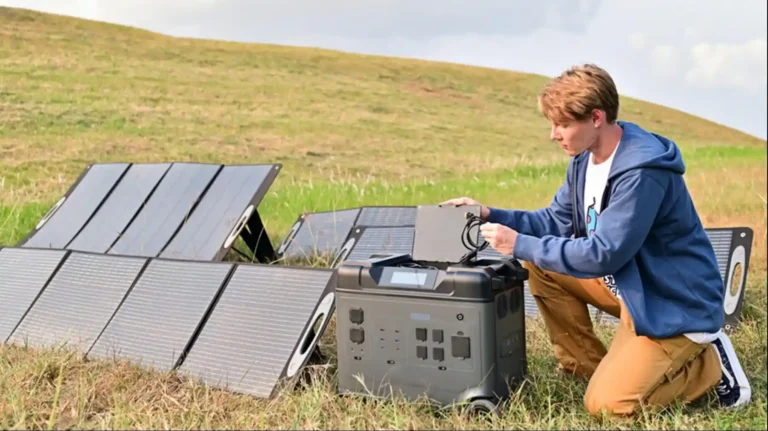
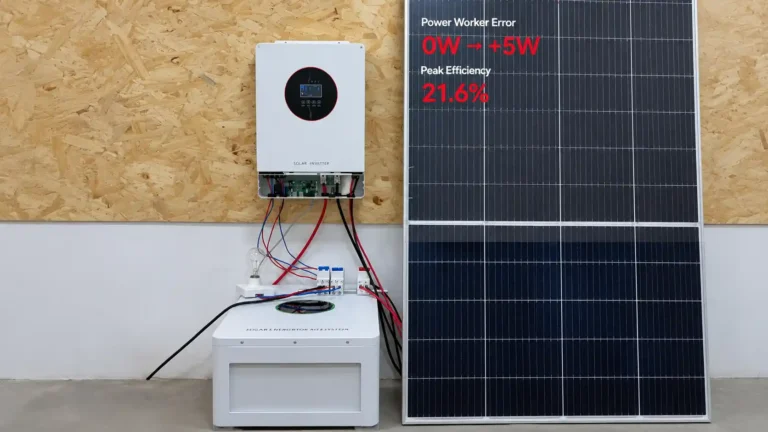
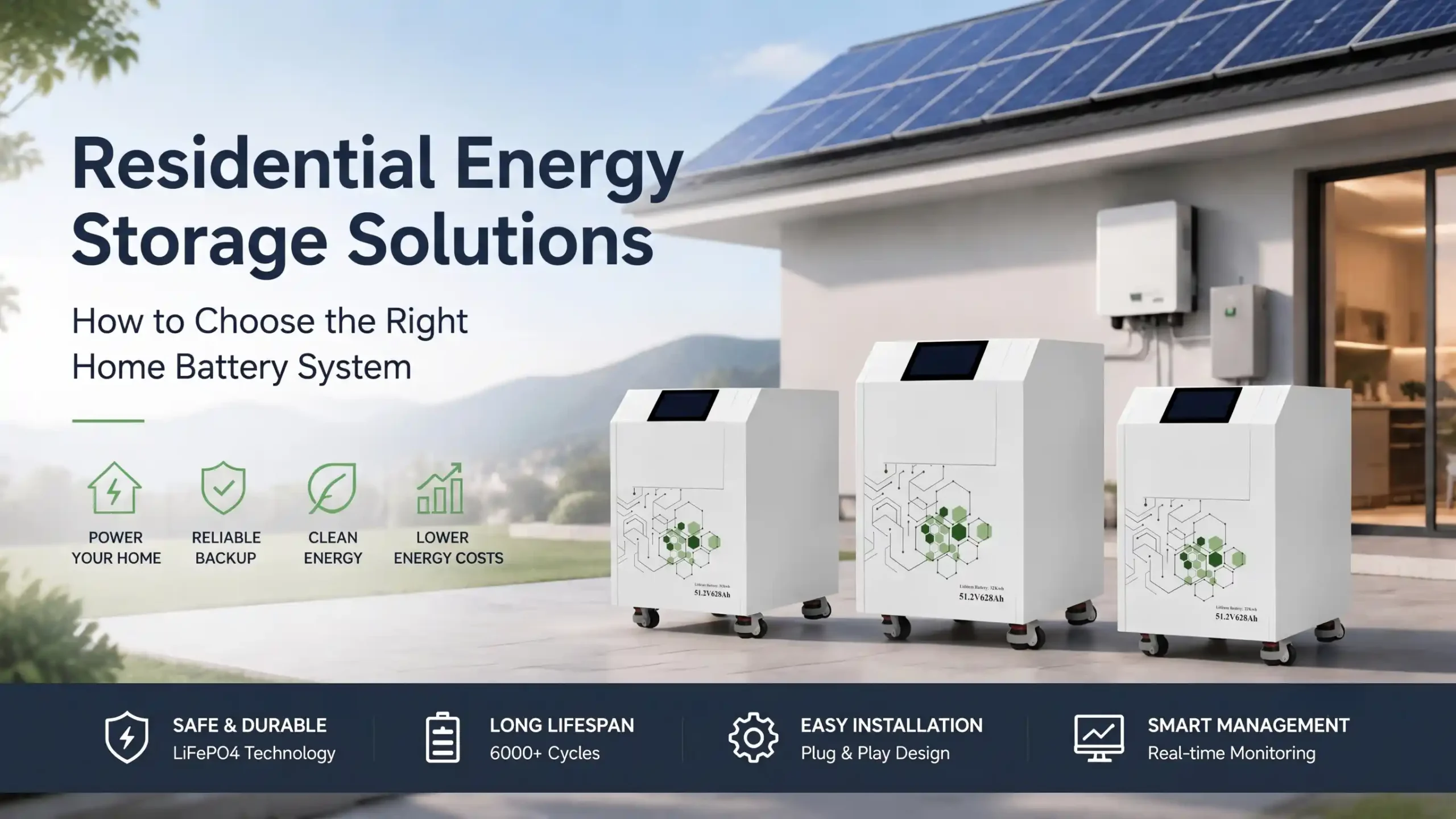
Residential Energy Storage Solutions How to Choose the Right Home Battery System Detailed Image

What Are Residential Energy Storage Solutions and How Do They Work?

Residential energy storage solutions are integrated systems that store electricity generated from renewable sources or the grid and provide power when needed.

A typical home energy storage system includes:

  • Battery modules
  • Battery Management System (BMS)
  • Hybrid inverter
  • Energy management system
  • Monitoring platform
  • Safety protection components

During the day, solar panels generate electricity. The system can use this electricity to power household appliances while storing excess energy in batteries.

At night or during power interruptions, stored energy can be discharged to provide backup power.

The basic working process is:

Operation Stage System Function Customer Benefit
Solar generation Converts sunlight into electricity Reduces grid dependence
Energy storage Stores unused power Improves energy utilization
Intelligent management Controls charging and discharging Extends battery lifespan
Backup supply Provides emergency electricity Ensures power availability

For businesses selecting suppliers, understanding system structure helps avoid purchasing incomplete solutions that may create installation issues later.


Key Factors to Consider Before Choosing a Home Battery System

Different markets have different energy requirements. A battery solution suitable for one region may not be suitable for another.

Before selecting a supplier, buyers should evaluate several important factors.


1. Battery Capacity: Matching Energy Needs With System Size

One of the most common mistakes in residential projects is selecting battery capacity only based on price.

A battery that is too small may fail to provide sufficient backup power.

A battery that is too large may increase unnecessary investment.

Battery capacity should be evaluated based on:

  • Daily electricity consumption
  • Backup duration requirements
  • Solar production capacity
  • Local electricity pricing
  • Future expansion plans

For example:

Application Scenario Recommended Consideration
Basic home backup Smaller battery capacity for essential loads
Solar self-consumption Capacity matched with solar generation
Full-home backup Larger storage capacity with higher output
Off-grid applications Higher capacity and stronger system design

Professional suppliers should help customers calculate suitable configurations instead of only selling fixed products.


2. Battery Chemistry: Why LiFePO4 Is Preferred for Home Storage

Battery safety is one of the biggest concerns for residential applications.

Lithium iron phosphate (LiFePO4) batteries have become widely adopted in home energy storage because of their advantages:

  • High thermal stability
  • Long cycle life
  • Strong safety performance
  • Lower maintenance requirements

Compared with traditional lithium battery technologies, LiFePO4 batteries are often preferred for residential environments where reliability is more important than maximum energy density.

A professional global home energy storage system supplier should provide detailed information about:

  • Battery cell quality
  • Cycle performance
  • Safety testing
  • Protection mechanisms
  • Warranty conditions

These factors directly influence customer satisfaction after installation.


3. Backup Power Requirements: Understanding Real Customer Needs

Many buyers misunderstand backup power requirements.

A residential battery system does not always need to support every appliance.

The correct approach is identifying critical loads.

Typical backup loads include:

  • Lighting systems
  • Refrigerators
  • Internet equipment
  • Security systems
  • Communication devices
  • Essential home appliances

For installers and distributors, helping customers understand realistic backup expectations can reduce complaints.

A reliable solar backup guidance supplier should provide application recommendations instead of only product specifications.


4. Choosing a Reliable Supplier Instead of Only Comparing Prices

Price competition is common in the energy storage market.

However, the lowest-cost supplier may create additional risks:

  • Unstable battery quality
  • Poor technical support
  • Delayed after-sales response
  • Limited customization capability

When evaluating suppliers, procurement teams should consider:

Supplier Evaluation Factor Why It Matters
Manufacturing capability Ensures stable production
Quality control process Reduces defective products
Certifications Supports international markets
Technical support Helps installation teams
OEM capability Supports branding requirements
Warranty policy Protects long-term business value

A trustworthy supplier should act as a technical partner rather than only a product seller.


How to Evaluate a Residential Energy Storage System Supplier Before Purchasing

For distributors, installers, and project developers, choosing a supplier is not only about product specifications. The supplier’s ability to provide consistent quality, technical support, and long-term cooperation directly affects project success.

A professional residential energy storage system supplier should be able to support customers throughout the entire process, including system selection, installation guidance, troubleshooting, and after-sales service.

Before placing an order, buyers should evaluate the following areas:

Evaluation Area Questions Buyers Should Ask Why It Matters
Product reliability What battery cells and protection systems are used? Ensures stable operation
Production capability Can the supplier handle repeat orders? Avoids supply chain interruptions
Certification support Are international certifications available? Helps enter different markets
Technical documents Are installation manuals and specifications provided? Reduces installation errors
Customization ability Can the supplier support OEM branding? Helps build market competitiveness
After-sales support Is technical assistance available after delivery? Reduces customer complaints

For global buyers, a supplier with complete technical resources can significantly reduce project risks.

Voltcrave Power provides residential battery storage solutions designed for different application scenarios, supporting distributors and installers with system configuration guidance, product documentation, and customized solutions.


Understanding System Compatibility Before Installation

One of the most overlooked issues when purchasing home battery systems is compatibility.

A battery system must work properly with:

  • Solar PV systems
  • Hybrid inverters
  • Existing electrical infrastructure
  • Local grid requirements
  • Monitoring platforms

Poor compatibility may cause:

  • Reduced system efficiency
  • Communication failures
  • Installation delays
  • Additional modification costs

Before purchasing, buyers should confirm:

Compatibility Item Verification Requirement
Battery voltage range Matches inverter requirements
Communication protocol Supports inverter communication
Installation environment Suitable for temperature and humidity conditions
Expansion capability Allows future capacity upgrades
Safety protection Includes BMS and protection functions

A professional supplier should provide complete technical information before shipment.


Why LiFePO4 Home Battery Systems Are Becoming the Preferred Choice

The battery is the core component of any residential energy storage system.

For long-term residential applications, customers usually prioritize:

  • Safety
  • Lifespan
  • Stability
  • Low maintenance
  • Total ownership cost

LiFePO4 battery technology has become one of the most widely used solutions because it provides a balance between safety and performance.

Typical advantages include:

Feature Benefit for Residential Applications
Long cycle life Reduces replacement frequency
Stable chemistry Improves operational safety
High efficiency Maximizes stored energy usage
Wide temperature tolerance Supports different climates
Low maintenance Reduces service requirements

When selecting a supplier, buyers should not only compare battery capacity but also evaluate the complete system design.


For distributors and installers looking for scalable home energy storage solutions, Voltcrave Power provides a 51.2V LiFePO4 Battery Storage System designed for residential backup and solar energy applications.

The system is suitable for:

  • Residential solar storage
  • Emergency backup power
  • Energy independence projects
  • Small-scale renewable energy systems

Key advantages include:

  • LiFePO4 battery technology
  • High safety performance
  • Long cycle life
  • Modular expansion capability
  • Compatibility with residential energy applications

Product reference:

https://voltcravepower.com/product/51-2v-lifepo4-battery-storage-system/

For customers who want a clearer understanding of product operation and installation applications, the product demonstration video can also be used as a reference:

  1. Why they need a residential storage system
  2. How to select a supplier
  3. What technical factors matter

At this stage, introducing a practical solution improves conversion without making the article look like a product advertisement.


Residential Energy Storage Solutions Comparison: Different Customer Applications

Different customers require different system configurations.

A supplier should recommend solutions based on application scenarios rather than selling one standard product.

Customer Type Main Requirement Recommended Solution Focus
Homeowners Backup during outages Reliable battery capacity and safety
Solar installers Easy installation Compatibility and technical support
Energy distributors Stable supply Manufacturing capability and certifications
Off-grid users Long autonomy time Higher storage capacity
Commercial property owners Energy cost reduction Scalable storage systems

Understanding customer applications allows suppliers and buyers to avoid unsuitable configurations.


Common Mistakes Buyers Make When Purchasing Home Battery Systems

Many procurement problems happen because buyers focus only on initial price.

Below are common mistakes and better approaches:

Common Mistake Possible Result Better Approach
Choosing the cheapest supplier Higher failure rates Evaluate quality and support
Ignoring certifications Market access problems Confirm required standards
Selecting incorrect capacity Poor customer experience Calculate energy requirements
Overlooking compatibility Installation delays Check inverter matching
Not considering future expansion Limited system flexibility Choose scalable solutions

A successful energy storage project depends on selecting the right system, not simply the lowest-priced battery.


How Voltcrave Power Supports Global Energy Storage Partners

For international buyers, working with an experienced supplier reduces technical and operational risks.

Voltcrave Power focuses on providing reliable energy storage solutions for global markets, supporting customers with:

  • Residential battery systems
  • Portable power solutions
  • Customized energy storage products
  • OEM and private label services
  • Technical documentation support

The company provides inventory solutions with:

  • Stock products: MOQ starting from 10–20 units
  • OEM branding and customized products: MOQ around 300–500 units

This flexible purchasing model helps different types of partners, from small distributors to large-scale energy companies, develop their energy storage business.


FAQs

What size residential energy storage system do I need for a home?

The required capacity depends on electricity consumption, backup time requirements, solar generation, and essential loads. A professional supplier should evaluate the application before recommending a battery size.


How long does a residential lithium battery storage system last?

A high-quality LiFePO4 residential battery system can typically provide thousands of charge and discharge cycles. Actual lifespan depends on usage conditions, charging management, temperature, and battery protection systems.


Why should I choose a professional residential energy storage system supplier?

A reliable supplier provides more than batteries. They offer technical support, quality control, certification assistance, and long-term cooperation to reduce project risks.


Can residential energy storage systems work with solar panels?

Yes. Most modern systems are designed to integrate with solar panels through compatible inverters, allowing users to store excess solar energy and use it later.


What certifications should buyers check before importing home battery systems?

Certification requirements vary by market. Buyers should confirm required standards related to battery safety, transportation, electrical compatibility, and regional regulations before purchasing.


Choose a Reliable Partner for Your Residential Energy Storage Projects

Selecting the right residential battery system requires more than comparing prices. Buyers need a supplier that understands application scenarios, provides reliable technology, and supports long-term business growth.

From battery performance and system compatibility to supplier capability and after-sales support, every factor influences project success.

Voltcrave Power helps global partners build reliable residential energy storage solutions with professional manufacturing capability, flexible customization options, and technical support.

Whether you are expanding your energy storage product portfolio or looking for a stable battery supplier, contact Voltcrave Power today to discuss your project requirements and receive a customized solution recommendation.
https://voltcravepower.com/contact/

Need help matching this topic to a real battery project?

Send your target application, capacity range, certification market, and order plan. VoltCrave can recommend a practical product direction.