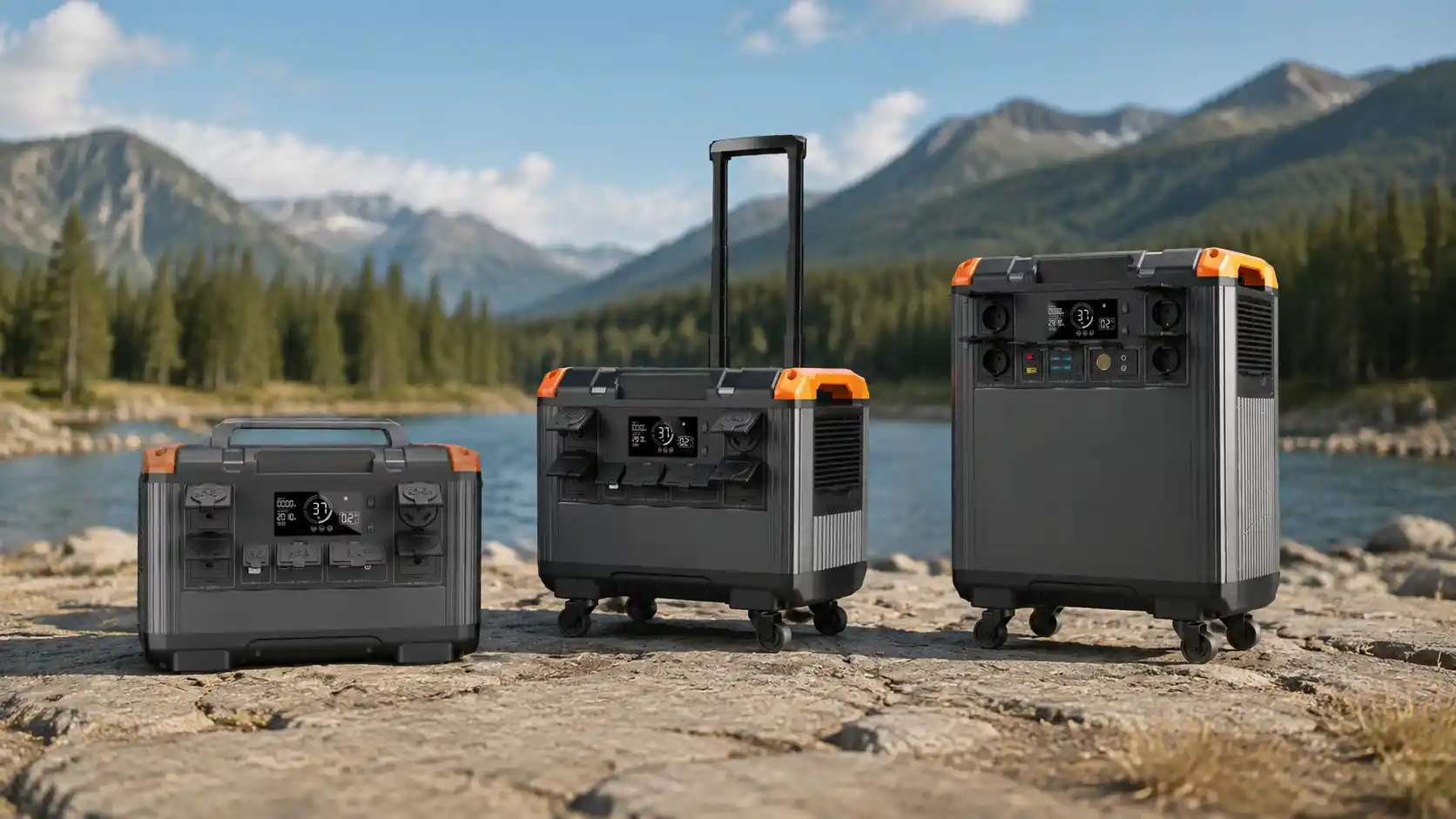
Growing Demand for Safer and Longer-Lasting Portable Energy Solutions
The portable power market has changed significantly in recent years. Businesses, distributors, outdoor equipment brands, and energy solution providers are no longer focused only on higher capacity or lower purchase prices. Instead, they are paying more attention to battery safety, product lifespan, maintenance costs, and long-term customer satisfaction.
For many companies, selecting the right battery technology has become a strategic decision that directly impacts product reputation, warranty costs, and market competitiveness. Traditional lithium-ion solutions offer advantages in energy density, but concerns related to thermal stability, cycle performance, and replacement costs have encouraged businesses to explore safer and more durable alternatives.
This is why LiFePO4 Portable Power Station products are gaining increasing attention in global markets. Based on lithium iron phosphate battery technology, these systems provide improved safety performance, longer service life, and more stable operation, making them suitable for outdoor power supply, emergency backup, camping, mobile workstations, and professional energy applications.
For B2B buyers, the challenge is not simply finding portable power products. The key challenge is choosing a reliable supplier that can provide consistent battery quality, proper certifications, stable production capability, and flexible customization support.
As an energy storage manufacturer, VoltCrave Power focuses on developing reliable portable energy solutions through advanced battery technology, strict quality control, and customized manufacturing services. By supporting distributors, wholesalers, and brand owners, VoltCrave Power helps global partners build competitive portable power product lines.

What Makes LiFePO4 Battery Technology Different From Traditional Lithium Batteries?
Before selecting a portable power solution, many buyers compare different battery chemistries. Understanding these differences helps distributors, retailers, and project developers make better purchasing decisions.
LiFePO4 batteries use lithium iron phosphate as the cathode material. Compared with traditional lithium-ion batteries that commonly use nickel manganese cobalt (NMC) chemistry, LiFePO4 technology provides stronger chemical stability, improved thermal performance, and longer operational cycles.
For companies purchasing portable power products in bulk, these differences directly influence customer experience, after-sales costs, and product positioning.
A battery system with longer service life can help businesses reduce warranty claims, minimize replacement requirements, and improve customer confidence.
Key differences between LiFePO4 and traditional lithium-ion batteries
| Comparison Factor | LiFePO4 Battery | Traditional Lithium-ion Battery |
|---|---|---|
| Safety performance | Higher thermal stability and lower overheating risk | More sensitive to temperature and operating conditions |
| Cycle life | Longer lifespan with thousands of charge cycles depending on usage | Generally shorter cycle performance |
| Battery stability | Stable chemical structure and reliable performance | Requires more battery management optimization |
| Long-term operating cost | Lower replacement frequency and better lifecycle value | Higher replacement possibility |
| Suitable applications | Outdoor power, backup energy, solar storage, portable power solutions | Consumer electronics and lightweight devices |
For B2B customers, battery technology selection should focus on the complete product lifecycle rather than only the initial purchasing price.
A lower-cost battery solution may result in higher long-term expenses due to warranty issues, customer complaints, and frequent replacements.
Understanding LiFePO4 battery advantages allows businesses to select products that provide better value throughout the entire ownership period.
Why Are LiFePO4 Portable Power Stations Becoming More Popular?
The increasing adoption of LiFePO4 Portable Power Station products is driven by changing market demands. Businesses and end users are looking for energy solutions that combine safety, reliability, and long-term economic value.
For distributors, outdoor equipment brands, and energy solution providers, choosing the right portable power technology directly affects product competitiveness.
The following factors explain why this technology is becoming a preferred choice.
1. Longer Lifespan Reduces Replacement Costs
One of the biggest concerns for distributors and retailers is product durability.
When customers purchase portable power equipment, battery lifespan is often one of the first questions they consider. A product that experiences rapid capacity loss can negatively affect customer satisfaction and increase after-sales pressure.
One of the important LiFePO4 battery advantages is its extended cycle life. Compared with many conventional lithium battery technologies, LiFePO4 batteries maintain stable performance through more charging and discharging cycles.
For commercial buyers, this creates several benefits:
- Lower warranty costs
- Fewer product returns
- Better customer reviews
- Longer product service periods
- Stronger brand reputation
For outdoor equipment distributors, supplying a portable power station with LiFePO4 battery technology provides a stronger market advantage because customers receive a product designed for long-term usage.
2. Improved Safety Performance for Different Application Scenarios
Safety has become one of the most important purchasing factors in the portable energy market.
Portable power products are frequently used in:
- Camping environments
- Remote workplaces
- Emergency situations
- Mobile offices
- Outdoor events
- Backup power applications
These scenarios require stable battery operation under different environmental conditions.
One of the reasons behind the popularity of LiFePO4 technology is its excellent chemical stability. Compared with some traditional lithium battery chemistries, LiFePO4 batteries provide better thermal stability and lower thermal runaway risk when combined with a reliable battery management system.
For B2B buyers, safety performance is not only a technical specification. It directly influences:
- Customer trust
- Compliance requirements
- Brand reputation
- Market acceptance
When selecting suppliers, procurement teams should evaluate battery quality, BMS protection functions, testing procedures, and manufacturing capability rather than focusing only on capacity numbers.
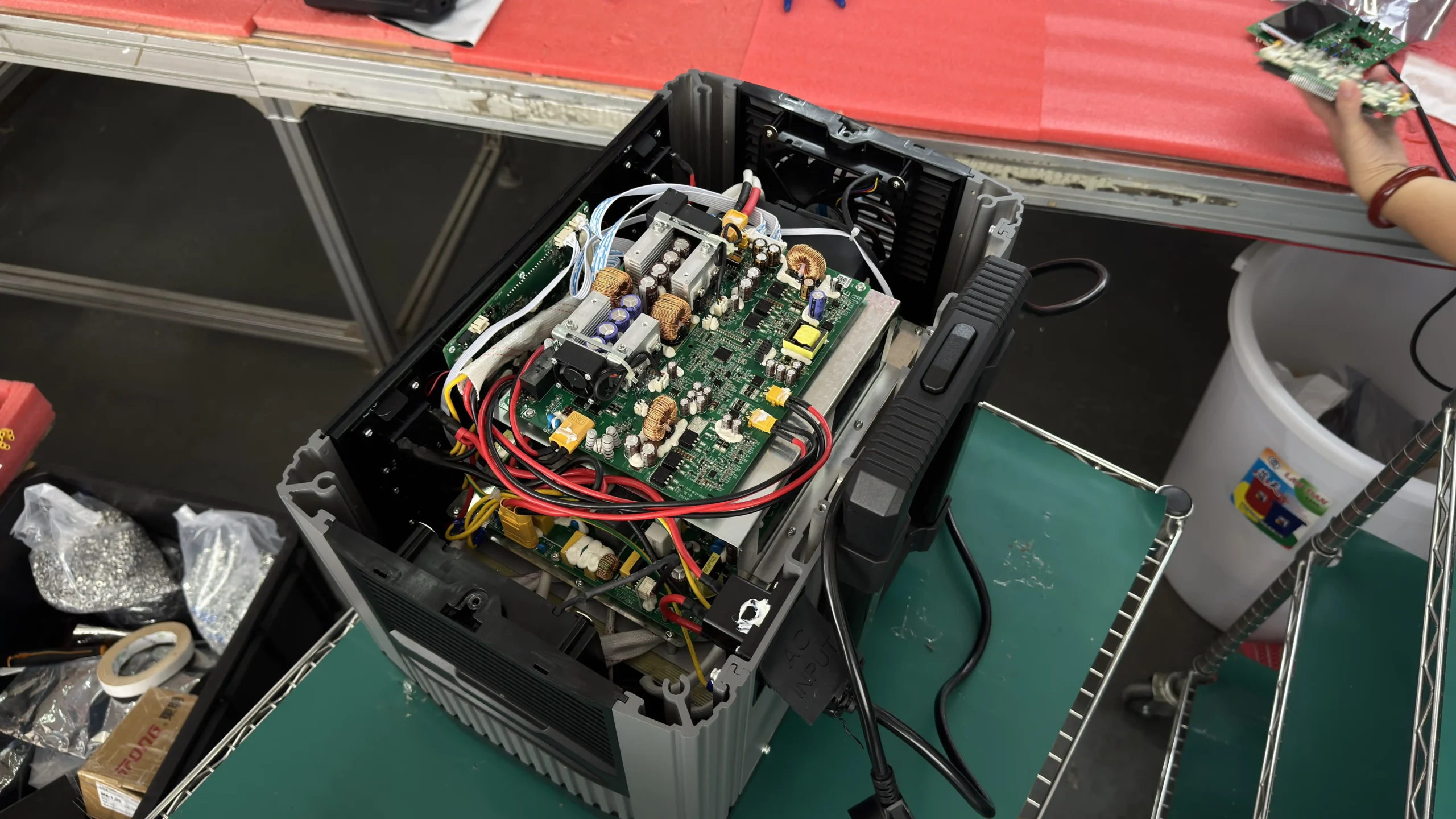
Need help matching this topic to a real battery project?
Send your target application, capacity range, certification market, and order plan. VoltCrave can recommend a practical product direction.