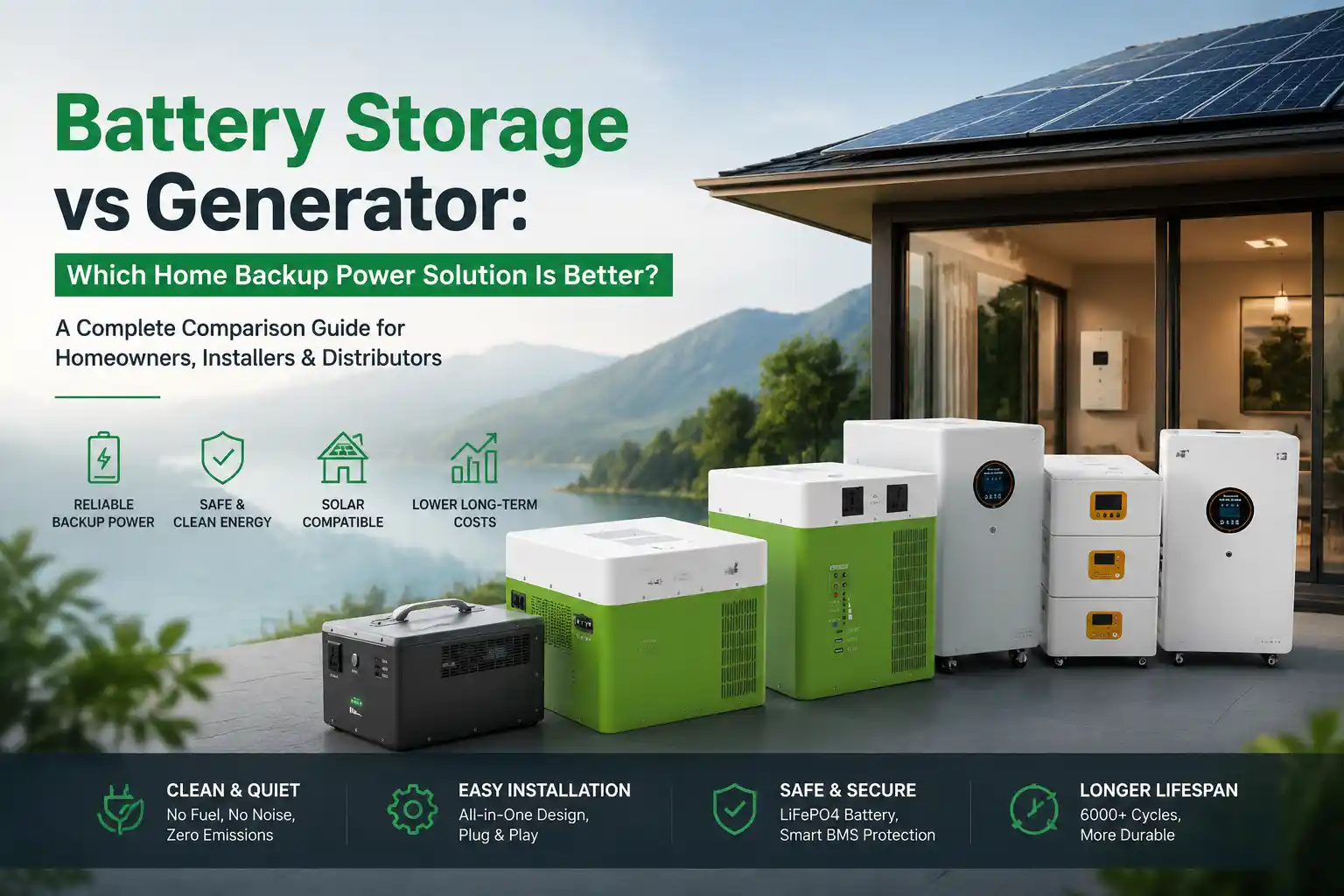
Why Choosing the Right Backup Power Solution Matters for Modern Homes

Power interruptions are becoming a growing concern for homeowners, installers, and energy businesses worldwide.

Extreme weather events, aging grid infrastructure, rising electricity costs, and increasing dependence on electronic devices have made backup power systems an essential investment rather than an optional upgrade.

However, when customers consider backup solutions, they often face one major question:

Should they choose a traditional generator or a modern battery energy storage system?

The answer is not always straightforward.

Generators have been widely used for decades because they can provide immediate backup power. However, they also come with challenges such as fuel dependency, noise, maintenance requirements, and installation limitations.

Battery storage systems provide a newer approach by storing electricity and delivering clean, quiet backup power when needed. However, buyers must carefully evaluate capacity, battery technology, supplier reliability, and total ownership costs.

For distributors, solar installers, and energy companies, understanding the difference between battery storage vs generator is critical because the wrong recommendation can lead to customer dissatisfaction and increased service costs.

As a professional energy storage provider, Voltcrave Power helps global partners evaluate backup power requirements and select suitable residential energy solutions based on real application scenarios.


Battery Storage vs Generator: Understanding the Basic Difference

Before comparing advantages and disadvantages, it is important to understand how these two backup technologies work.

A generator produces electricity by converting fuel energy into electrical power. It typically requires gasoline, diesel, or natural gas to operate.

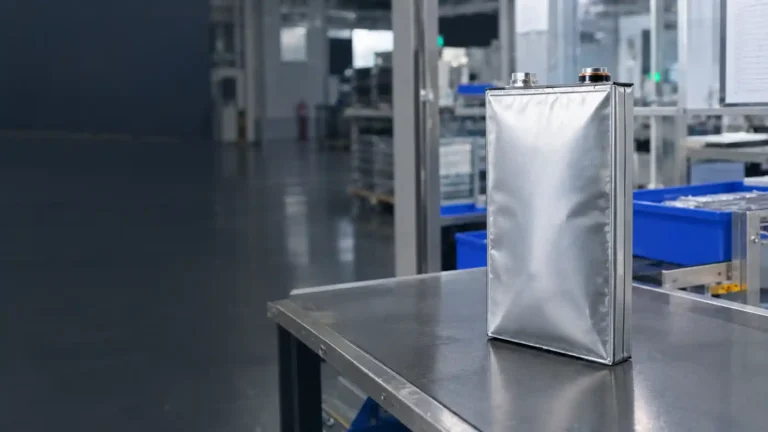
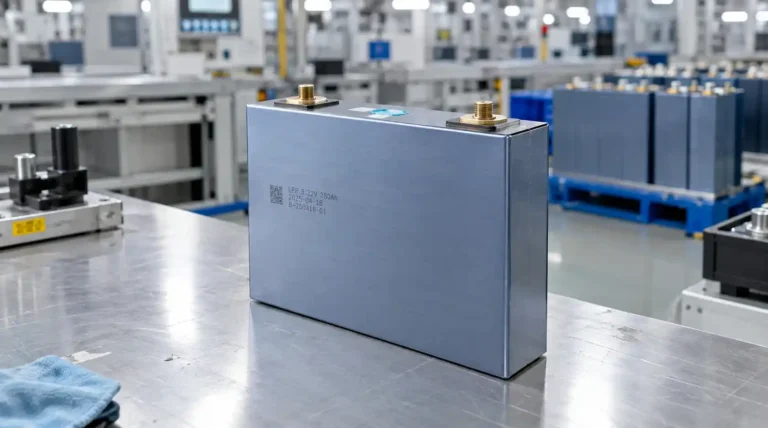
A battery storage system stores electrical energy in battery cells and releases it when electricity is needed.

The main difference is:

Comparison Factor Battery Storage System Generator
Energy source Stored electricity Fuel combustion
Operation Automatic and silent Mechanical operation
Maintenance Low maintenance Regular servicing required
Noise level Nearly silent Produces engine noise
Emissions Zero during operation Produces exhaust emissions
Renewable integration Works with solar systems Limited
Long-term energy cost Lower operating cost Fuel dependent

For modern residential applications, many buyers are moving from traditional backup solutions toward integrated battery systems because they provide greater flexibility.
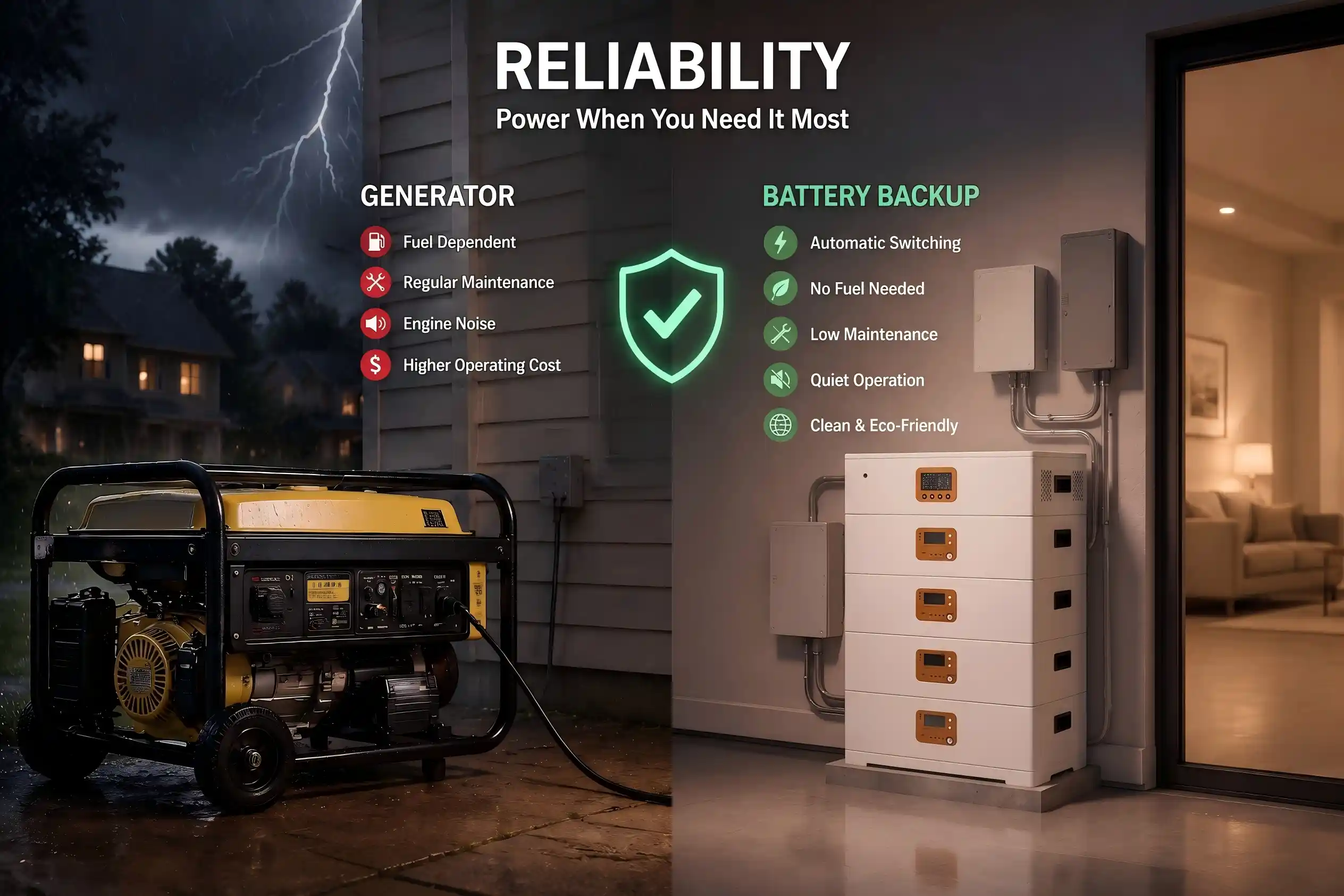

Battery Backup vs Generator Which One Provides Better Reliability (Paragraph illustration) (1)

Battery Backup vs Generator: Which One Provides Better Reliability?

Reliability is usually the first concern when customers purchase backup power equipment.

A backup system must work when it is needed most, especially during:

  • Storms
  • Grid failures
  • Natural disasters
  • Emergency situations

However, reliability depends on different factors.

Generator Reliability Factors

Generators can provide continuous electricity as long as fuel is available.

Advantages include:

  • Long operating duration with fuel supply
  • Suitable for extended power outages
  • High output capability for heavy loads

However, generators also have limitations:

  • Fuel storage requirements
  • Mechanical failures
  • Regular maintenance needs
  • Starting problems after long periods without use

A generator that has not been properly maintained may fail during an emergency.


Battery Storage Reliability Factors

Battery systems rely on stored electricity.

Advantages include:

  • Automatic backup switching
  • No fuel dependency
  • Lower maintenance requirements
  • Stable power output
  • Integration with solar energy

Modern battery systems usually include:

  • Battery Management System (BMS)
  • Overcharge protection
  • Over-discharge protection
  • Temperature monitoring
  • Intelligent energy management

These features improve system safety and operational reliability.

For residential applications, battery backup vs generator is increasingly becoming an important purchasing decision because customers are looking for cleaner and smarter backup solutions.


Cost Comparison: Battery Storage vs Generator Over the Long Term

Many buyers focus only on initial purchase prices, but total ownership cost is more important.

A cheaper system may create higher expenses over several years.

The total cost includes:

  • Equipment purchase
  • Installation
  • Fuel costs
  • Maintenance
  • Replacement parts
  • Operating expenses
Cost Factor Battery Storage Generator
Initial investment Higher Usually lower
Fuel cost None Continuous fuel expense
Maintenance Low Regular maintenance required
Noise control No additional cost May require installation considerations
Lifespan value Long cycle performance Depends on engine maintenance

Although battery systems often require a higher upfront investment, they can provide better long-term economic value because they reduce fuel and maintenance expenses.

For installers and distributors, explaining total ownership cost helps customers make better purchasing decisions.


Why More Homes Are Choosing All-in-One Energy Storage Systems

The demand for integrated home energy solutions is increasing because customers want simpler installation and easier management.

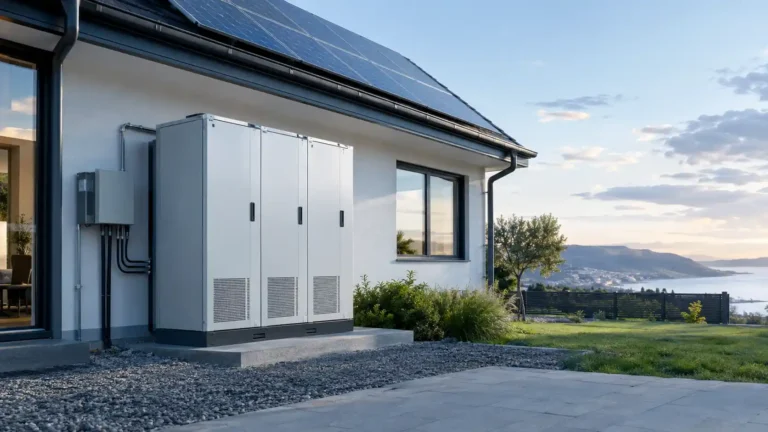
An all-in-one system combines multiple components into a single solution:

  • Battery modules
  • Hybrid inverter
  • Battery management system
  • Energy monitoring
  • Protection components

Compared with traditional separate systems, all-in-one solutions offer:

Advantage Customer Benefit
Integrated design Easier installation
Compact structure Saves installation space
Intelligent monitoring Better energy management
Reduced wiring Lower installation complexity
Expandable capacity Supports future needs

For installers and distributors, cooperating with an experienced all-in-one home energy storage system supplier can reduce project complexity and improve delivery efficiency.
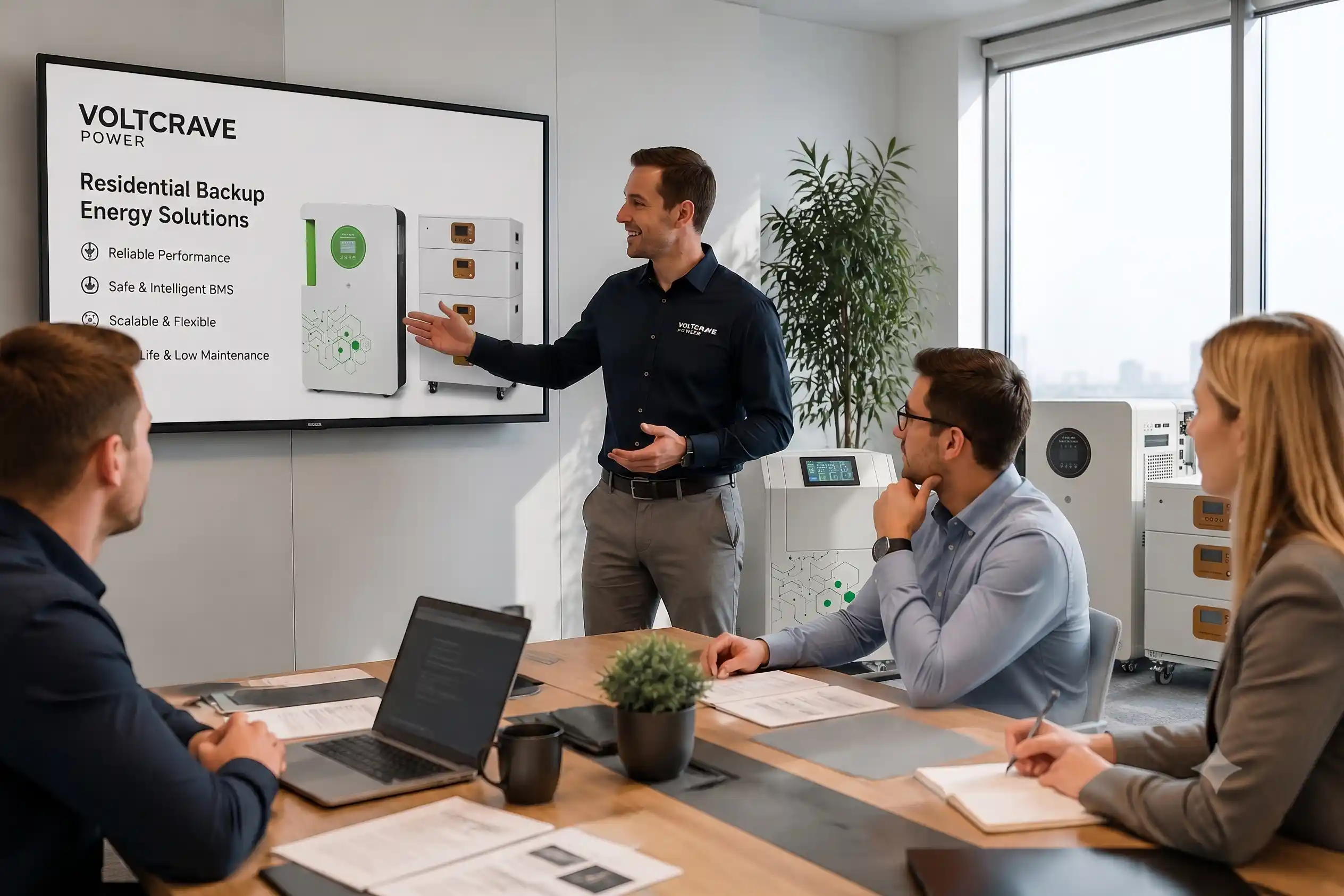

Choosing the Right Backup Power Solution Based on Application Scenarios

There is no single backup power solution that fits every customer.

The right choice depends on factors such as:

  • Power outage frequency
  • Required backup duration
  • Energy consumption habits
  • Available renewable energy sources
  • Installation environment
  • Budget expectations

For distributors and installers, understanding customer scenarios is more important than recommending one standard product.

The following comparison can help determine the most suitable solution:

Application Scenario Recommended Solution Main Reason
Short power interruptions Battery storage system Fast automatic backup
Homes with solar panels Battery storage system Stores excess solar energy
Areas with frequent long outages Hybrid battery + generator solution Provides extended backup capability
Remote locations without grid access Large battery storage system Reduces fuel dependency
Commercial facilities requiring high power Customized energy storage system Supports larger loads

A professional supplier should analyze the customer’s actual requirements before recommending equipment.


Battery Storage vs Generator for Solar-Powered Homes

Solar energy adoption is one of the biggest factors changing the backup power market.

Traditional generators work independently from renewable energy systems. They provide electricity only when fuel is available.

Battery storage systems work differently.

A solar-connected battery system can:

  1. Store excess solar electricity during the day
  2. Use stored energy during nighttime
  3. Provide backup power during grid outages
  4. Reduce dependence on electricity providers

This makes battery systems especially attractive for homeowners who already have solar panels.

For solar installers, recommending a compatible storage solution can create additional value for customers.

A reliable energy partner should understand:

  • Solar inverter compatibility
  • Battery capacity calculation
  • Load management
  • Installation requirements
  • Regional regulations

This is why many installers prefer working with an experienced all-in-one home energy storage system supplier instead of sourcing individual components separately.


How to Calculate the Right Battery Capacity for Home Backup

One of the most common mistakes when purchasing a battery system is selecting capacity only based on price.

The correct battery size depends on energy requirements.

A simple calculation method:

Required Battery Capacity = Daily Energy Consumption × Backup Time × System Efficiency Factor

For example:

If a home consumes:

  • 10 kWh electricity per day
  • Requires 12 hours backup
  • System efficiency is around 90%

The required storage capacity should be calculated based on actual usage conditions.

Important factors include:

Factor Impact on Battery Selection
Daily electricity consumption Determines required capacity
Critical loads Defines backup requirements
Solar generation Affects charging ability
Climate conditions Influences battery performance
Future expansion Determines scalability

Professional suppliers should provide configuration recommendations rather than simply offering fixed-capacity batteries.


Key Factors to Evaluate When Choosing an Energy Storage Supplier

For businesses purchasing energy storage products, supplier selection directly affects customer satisfaction.

Many procurement teams make the mistake of comparing only product prices.

However, a reliable supplier should provide:

  • Stable manufacturing capability
  • Quality control processes
  • Technical documentation
  • Product certifications
  • After-sales support
  • Customization options

Before cooperation, buyers should evaluate:

Supplier Capability Why It Matters
Manufacturing experience Ensures product consistency
Battery testing process Improves safety and reliability
Technical support Helps solve installation issues
OEM capability Supports private branding
Delivery capability Maintains supply chain stability
Warranty policy Protects business reputation

For global buyers, selecting a reliable partner is often more important than choosing the lowest quotation.


Battery Backup vs Generator Which One Provides Better Reliability (Paragraph illustration) (2)

Why Businesses Choose Voltcrave Power for Residential Backup Solutions

For international distributors, installers, and energy companies, the ideal supplier should provide both products and technical support.

Voltcrave Power focuses on providing reliable energy storage solutions for global markets, helping partners develop residential backup power projects with flexible purchasing options.

The company supports customers with:

  • Residential battery storage systems
  • Solar energy storage solutions
  • Portable power products
  • Customized energy storage solutions
  • OEM and private label services

For different purchasing requirements:

  • Stock products MOQ: 10–20 units
  • OEM branding and customized products MOQ: 300–500 units

This flexible production model allows different types of partners to choose suitable purchasing methods.

Small distributors can test market demand with inventory products, while established brands can develop customized solutions.


Battery Storage vs Generator: Procurement Comparison Checklist

Before purchasing a backup power solution, buyers can use the following checklist:

Evaluation Question Battery Storage Generator
Does it support renewable energy? Yes Limited
Does it require fuel storage? No Yes
Is operation quiet? Yes No
Does it require regular maintenance? Low Higher
Can capacity be expanded? Usually yes Limited
Is it suitable for smart homes? Yes Limited

For residential markets moving toward energy independence, battery systems provide advantages in flexibility, sustainability, and user experience.


FAQs

Is battery storage better than a generator for home backup power?

The best choice depends on customer requirements. Battery storage is usually preferred for homes that need quiet operation, solar integration, low maintenance, and clean backup power. Generators may be suitable for locations requiring continuous high-power output for extended periods.


How long can a home battery storage system provide backup power?

Backup duration depends on battery capacity and household energy consumption. A larger battery capacity can support more appliances for a longer period.

Customers should calculate backup requirements based on essential loads rather than total household electricity usage.


Can a battery storage system replace a generator completely?

In many residential applications, yes. Battery storage systems can replace generators when customers need backup power for normal household loads, solar integration, and silent operation.

However, extremely high-power or long-duration applications may require a hybrid approach.


What should buyers consider when choosing an all-in-one home energy storage system supplier?

Buyers should evaluate product reliability, battery technology, certifications, technical support, customization capability, and supplier experience.

A good supplier should help customers select suitable solutions rather than only provide products.


What is the MOQ for residential energy storage products?

MOQ depends on product type and customization requirements.

For standard inventory products, Voltcrave Power supports orders starting from 10–20 units.

For OEM branding and customized solutions, MOQ is typically around 300–500 units.


Choose the Right Partner for Your Home Backup Energy Business

The decision between battery storage vs generator is no longer only about emergency electricity supply.

Modern customers are looking for solutions that provide:

  • Reliable backup power
  • Lower operating costs
  • Solar integration
  • Easy maintenance
  • Long-term energy independence

For distributors, installers, and energy businesses, choosing the right supplier is the key to building successful energy storage projects.

With professional manufacturing capability, flexible MOQ options, and technical support, Voltcrave Power helps global partners deliver reliable residential energy solutions.

Contact Voltcrave Power today to discuss your market requirements and receive a customized backup power solution recommendation.
https://voltcravepower.com/contact/

Need help matching this topic to a real battery project?

Send your target application, capacity range, certification market, and order plan. VoltCrave can recommend a practical product direction.