Energy Storage Knowledge
Battery SOC vs SOH: Understanding Charge and Battery Health
What are battery SOC and SOH? Battery SOC (State of Charge) indicates the battery’s current charge level. Battery...
In-depth technical analysis, procurement checklists, and deployment best practices for lithium batteries, commercial and residential energy storage systems, and portable power solutions.
What are battery SOC and SOH? Battery SOC (State of Charge) indicates the battery’s current charge level. Battery...
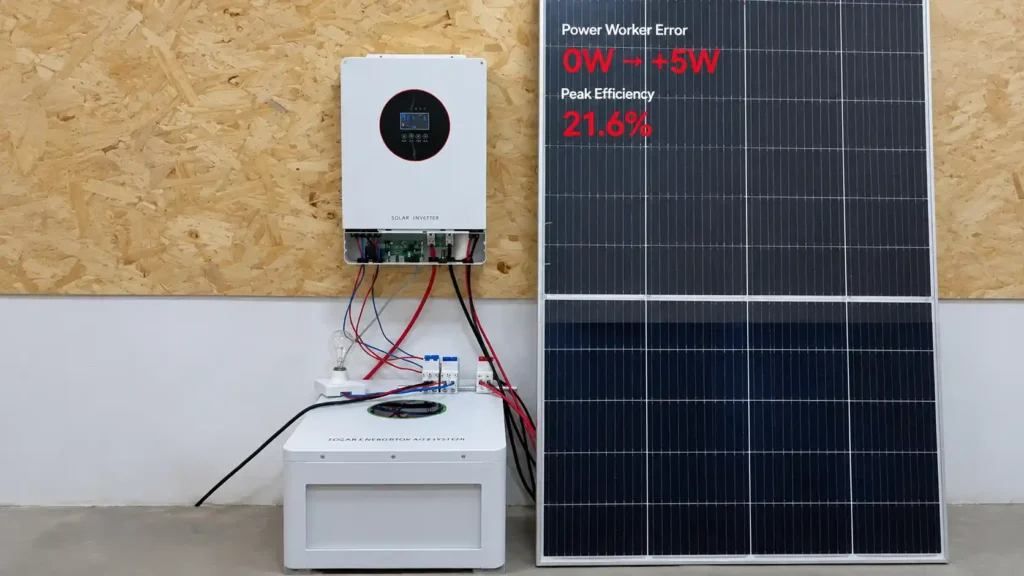
If you already have a hybrid solar inverter, the first question is usually: how many solar panels can...
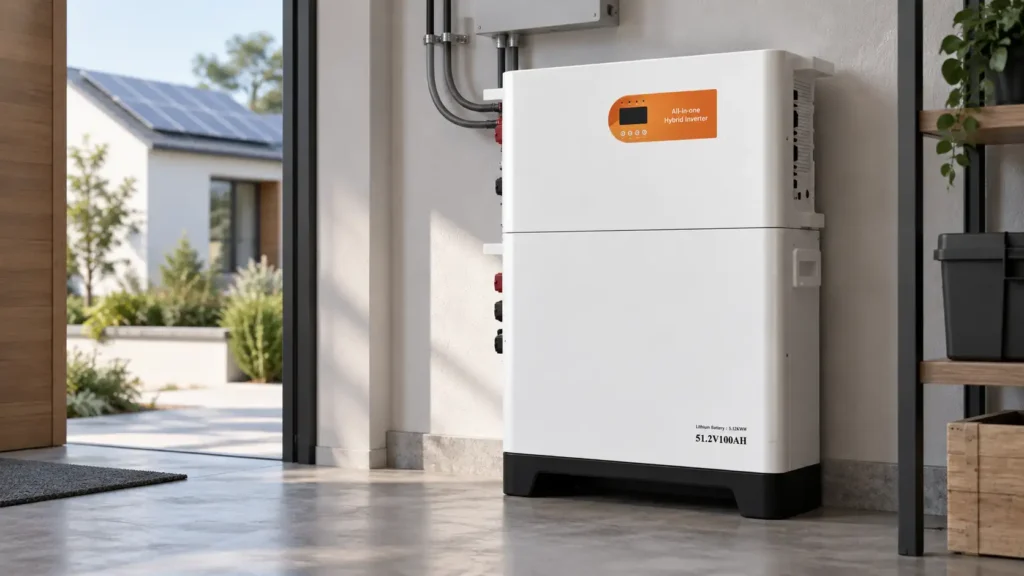
If you’re comparing home battery options, “5kWh” is probably the number you keep running into. It’s the most...

China remains one of the most important sourcing markets for OEM battery projects, but choosing a supplier involves...
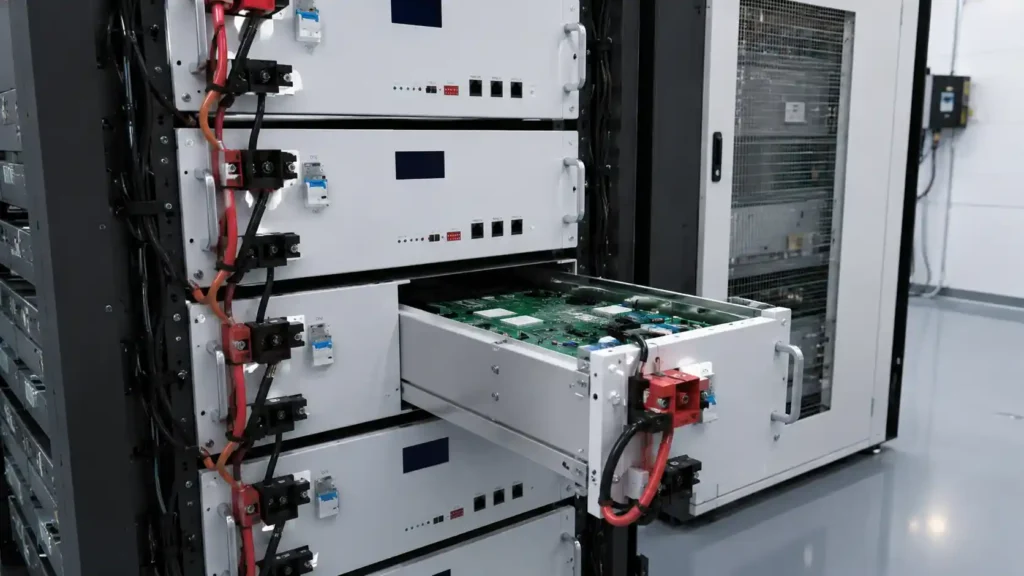
Learn what a reliable LiFePO4 BMS should protect against, from weak cells and surge trips to SOC drift,...
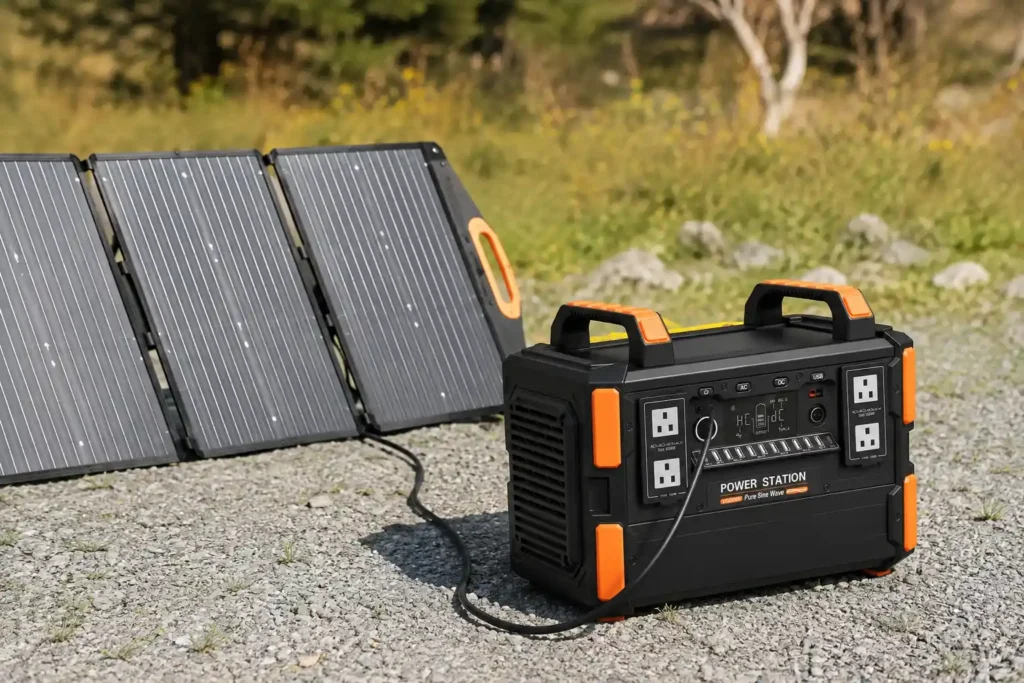
Learn how to charge a portable power station safely by checking temperature, input limits, solar Voc, cables, ventilation,...
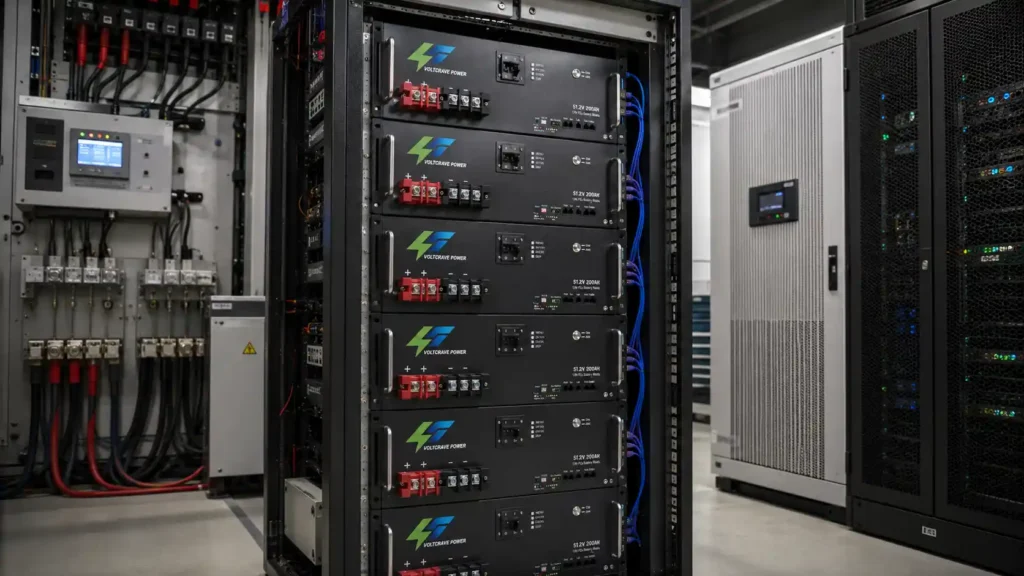
Learn how to size rack battery backup for UPS, telecom and server systems by calculating load, runtime, usable...
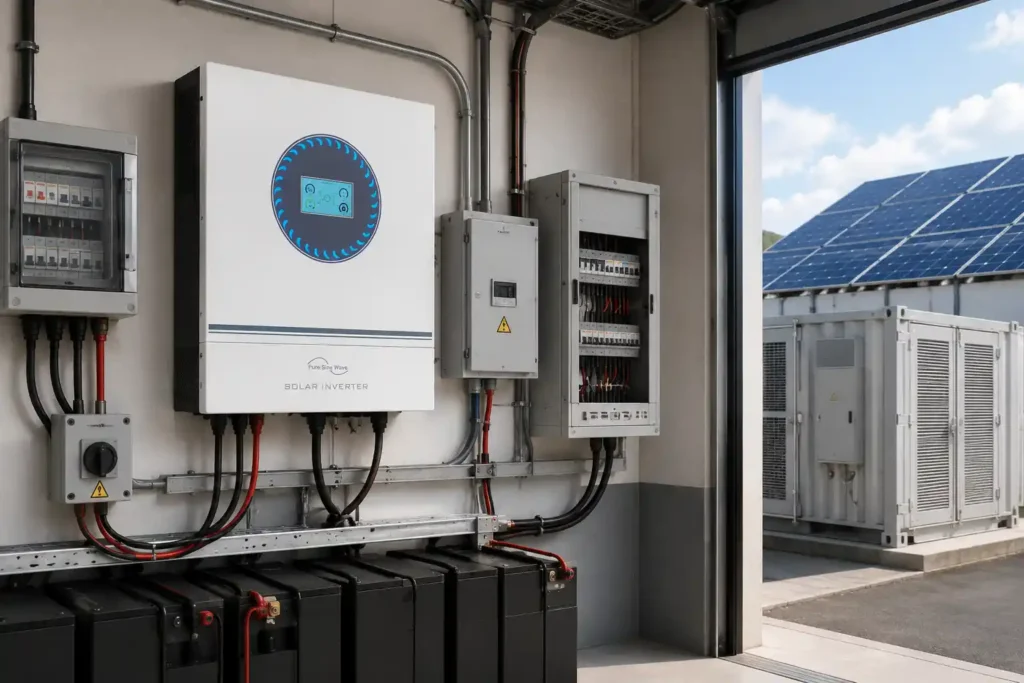
Compare off-grid and hybrid inverter architectures for real solar projects, including backup, grid interaction, generator integration, surge loads,...
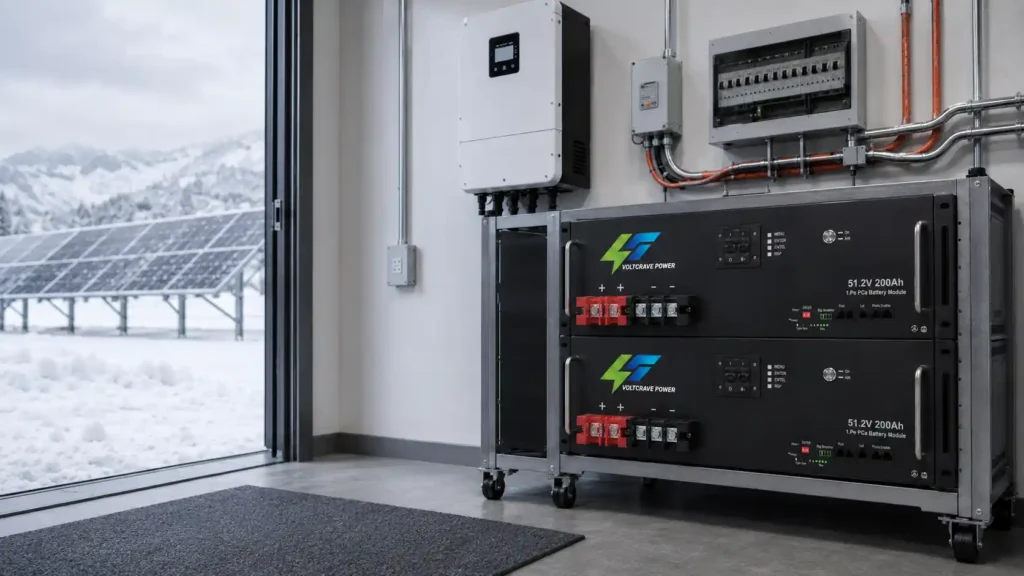
Cold weather can limit LiFePO4 charging and affect solar storage availability. Explore BMS protection, battery heating, cold-start recovery,...
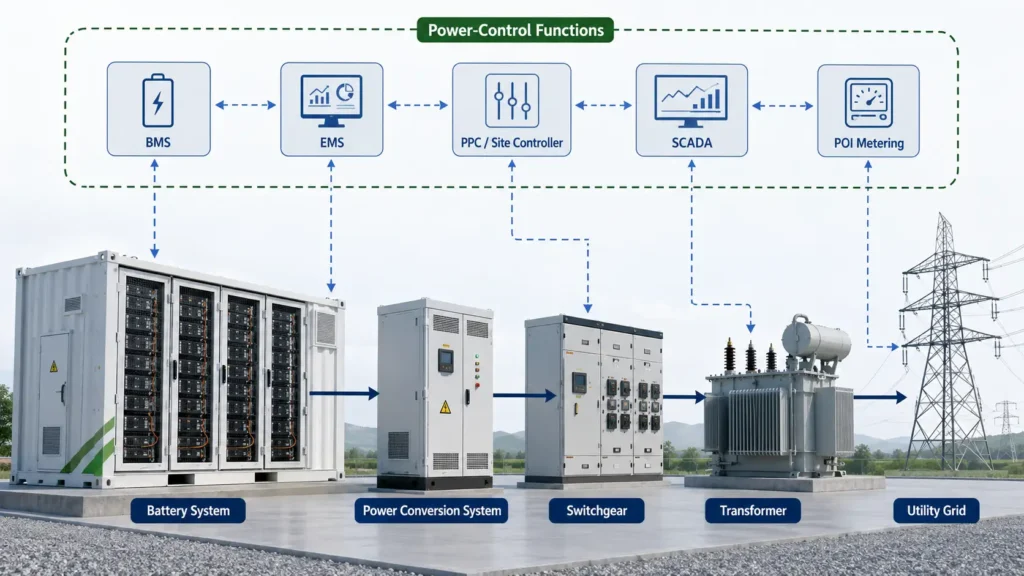
A battery energy storage system can have correctly sized batteries, a capable bidirectional inverter, and a sophisticated energy...
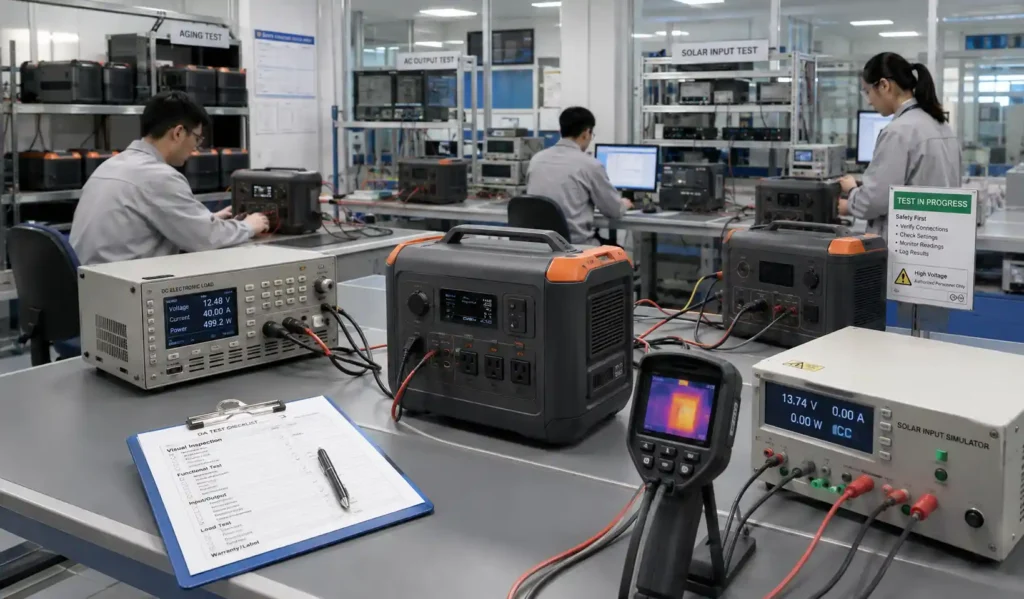
A B2B quality assurance guide for portable power station OEM buyers, distributors, and private-label brands before sampling, pilot...
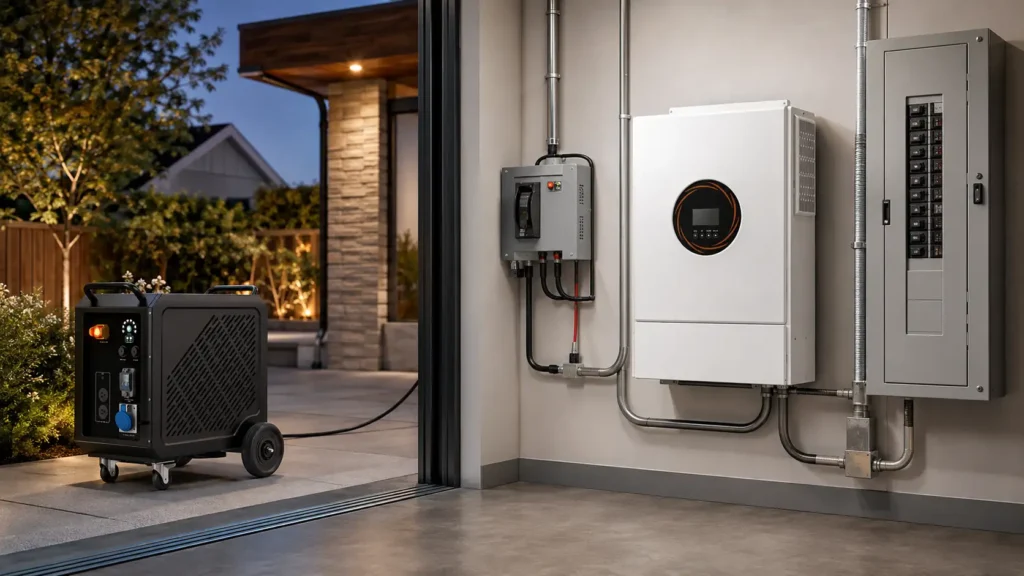
A battery–generator hybrid backup system is designed for this purpose. The battery provides instant, quiet, and short-duration power,...
Whether you need custom OEM LiFePO4 packs, residential wall-mounted ESS, or containerized commercial solutions, VoltCrave engineers are ready to support your RFQ.